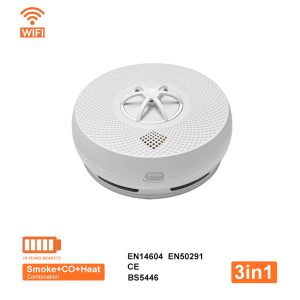
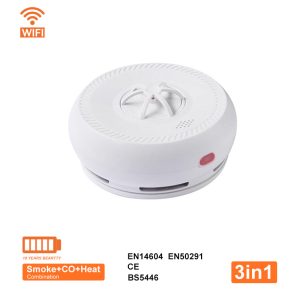
Yes, in Australia, hardwired smoke detectors are mandatory for new homes built or renovated after a certain date (around the mid-1990s) and for major renovations. When selling or renting existing properties, depending on the state, it is generally necessary to replace older battery-operated detectors or interconnect them for optimal security. All new installations must comply with Australian Standard 3786 (AS 3786), typically using 240-volt mains power supplied by backup batteries, or 10-year non-removable battery types, especially in cases where mains power is unavailable.

Key requirements by property type/age:
New buildings (after the 1990s): The Australian Building Code (BCA) requires hardwired, interconnected smoke detectors in specific locations (corridors, hallways, each floor).
Existing homes (for sale/rent): Many states mandate the use of electrically powered or 10-year battery-operated detectors when selling or renting, replacing older replaceable battery types.
Replacement: When an old smoke alarm expires or fails, it must be replaced with a photoelectric model conforming to AS 3786, compatible with the existing power supply (hardwired or 10-year battery).
Where smoke alarms must be installed:
On every floor of the house:In every hallway or corridor connecting bedrooms, or in the area between a bedroom and the rest of the house (if there is no hallway).
Permitted types of smoke alarms: Mains power supply (240V): Standard configuration for new buildings, connected to your home’s power supply via a backup battery.
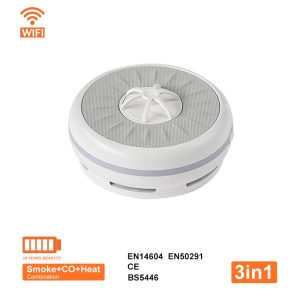
10-year battery: For existing homes not connected to mains power, or as a replacement for new homes if compliant with the standard.

Regarding changes in smoke alarm policy status:
While there are national standards, specific implementation dates and rules (e.g., Western Australia, Queensland, South Australia) may vary slightly, so be sure to consult your state’s fire or building authority for the exact local laws.