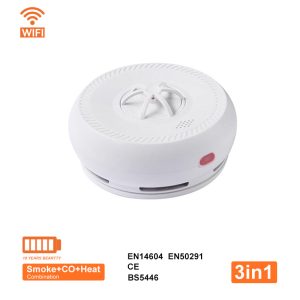
Common Types of Smoke Alarm Batteries
Smoke alarms typically use one of the following battery types: 9-volt (rectangular), AA alkaline, 3V lithium (CR123A), or come with sealed 10-year lithium power supplies.
Key Types of 9-Volt Batteries
The 9V battery is a standard for many smoke detectors. Here are the main chemistry options:
- Alkaline (e.g., Duracell Coppertop, Energizer MAX): The most common choice for standard smoke alarms. They offer reliable power and a shelf life of 5 to 10 years. Typically, they need replacement every 6 months to 1 year.
- Lithium (e.g., Energizer Ultimate Lithium, Ultralife): Provide a longer lifespan and better performance in extreme temperatures. They are more expensive but offer enhanced reliability.
- Carbon Zinc / Heavy Duty: A budget-friendly option, though they drain faster than alkaline or lithium cells. Best for situations where frequent checks are possible.
Essential Smoke Alarm Maintenance Tips
Proper maintenance ensures your smoke alarm functions when you need it most. Follow these guidelines:
- Replacement Schedule: Replace standard 9-volt smoke alarm batteries at least once a year. If you hear a low-battery chirp, replace the battery immediately.
- Monthly Testing: Test your smoke alarm monthly using the test button on the unit. This verifies both the alarm and battery are working.
- Check the Manual: Always consult your alarm’s instruction manual or label to confirm the exact battery chemistry and model required before purchasing. You can browse replacement options on platforms like Amazon.
ANKA Smoke Alarm Battery Guide
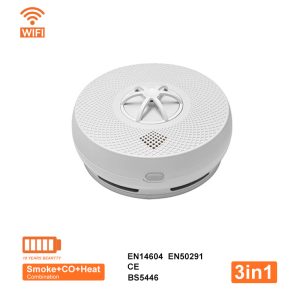
ANKA smoke alarms use either replaceable DC 9V batteries, AA alkaline batteries, or sealed 10-year 3V lithium batteries depending on the specific model. Here’s a breakdown:
1. 9V Replaceable / Backup Batteries
Used in hardwired models with a battery backup, such as the ANKA AJ-710M-9 Hardwire Smoke Alarm, or traditional standalone 9V units.
- Chemistry options: Alkaline (best for standard reliability and a ~1-year span), lithium 9V (longer life), or zinc-chloride.
- Replacement frequency: Every 6 months to 1 year, or immediately upon a low-battery chirp.
2. AA / AAA Replaceable Batteries
Certain wireless or standard residential units run on 2 to 3 replaceable 1.5V AA or AAA cells. These offer up to 3 times more energy capacity than a traditional 9V block, extending the time between replacements.
3. Sealed 10-Year Lithium Batteries
Found in maintenance-free models like the ANKA AJ-76X Photoelectric Smoke Alarm.
- These feature a built-in, non-replaceable 3V lithium power supply.
- Designed to last the entire 10-year operating life of the device, eliminating the need for annual battery changes.