

Safeguarding your home and family from the dangers of natural gas leaks is a critical responsibility. A reliable natural gas detector is your first line of defense, providing an early warning long before gas concentrations reach dangerous levels. For maximum flexibility and ease of installation, especially in areas without nearby power outlets, a battery operated natural gas detector is an ideal solution. This guide will help you choose the best device to ensure your home’s safety.

Why You Need a Home Natural Gas Leak Detector
Natural gas is odorless and colorless in its natural state. While utilities add a substance called mercaptan to give it a distinctive “rotten egg” smell, this warning sign can be missed if you are asleep, away from home, or have a diminished sense of smell. A dedicated natural gas leak detector continuously monitors the air and will sound a loud alarm the moment it senses gas, giving you precious time to evacuate and address the leak.
Top Picks for Battery-Operated Natural Gas Detectors
When searching for the best detector, look for models that are UL-listed, feature a loud alarm, and have a long-lasting battery life. Here are some top-performing types and features to consider:
- Kidde Nighthawk Plug-in with Battery Backup: While it plugs into an outlet, its built-in battery backup ensures protection even during a power outage. It’s a very popular and trusted model.
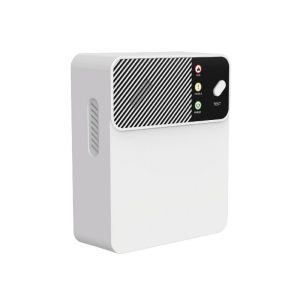
- Anka AJ-987 Natural Gas Detector: A fully battery operated option, making it perfect for placing anywhere—like near an RV stove or a garage heater. It’s compact and easy to install.
- Homekit-Aware Options: For tech-savvy homeowners, some newer models can send alerts directly to your smartphone via an app, notifying you of a leak even when you’re not home.
Key Features to Look For in a Gas Detector
Not all detectors are created equal. Keep these essential features in mind during your search:
- Battery Operation: Offers placement flexibility and remains operational during power failures.
- Digital Display: Shows real-time gas levels (in parts per million – PPM) for peace of mind.
- Loud Alarm (>85 dB): Must be loud enough to be heard anywhere in your home.
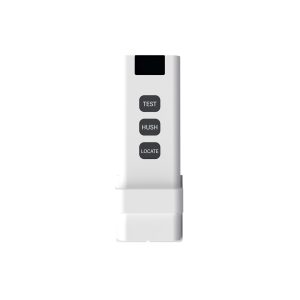
- Test/Silence Button: Allows for easy regular testing and temporary alarm silencing.
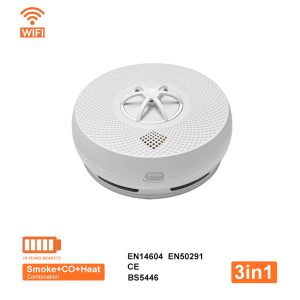
- End-of-Life Warning: Alerts you when the sensor needs to be replaced (typically after 5-10 years).
Where to Place Your Natural Gas Detector
Proper placement is crucial for effective detection. Since natural gas is lighter than air, it rises. Install your detector on the ceiling or high on a wall (within 12 inches of the ceiling) in the same room as gas-burning appliances like furnaces, water heaters, or stoves. Avoid placing it near windows, doors, or ventilation fans where drafts could disperse gas before it’s detected.
Investing in a quality natural gas detector for home use is a simple and effective step toward ultimate peace of mind. By choosing a robust, battery operated model, you ensure your family is protected 24/7, regardless of your home’s power situation.







Leave A Comment