

In Australia, each state has its own smoke alarm regulations to improve fire safety in residential properties. The Australian Building Code requires that all private or rental properties have smoke alarms that meet the Australian Standard AS 3786. These alarms should be installed on the ceiling or in areas where smoke is likely to accumulate, ensuring early warning for occupants.
Victoria:
Since August 1, 1997, all homes must be fitted with smoke alarms connected to 240V mains power with a backup battery. The Victorian Building Authority also recommends installing interconnected smoke alarms in every sleeping area and living room for maximum protection.
New South Wales (NSW):
NSW law requires smoke alarms that meet AS 3786 standards to be installed on every level of a home, including all residential properties and rental spaces. If the house is large, alarms must be installed in every section of the property.
Queensland:
By January 1, 2027, all residential properties in Queensland must have interconnected photoelectric smoke alarms in every bedroom, in hallways connecting bedrooms to other parts of the house, and on every level. These alarms can either be powered by a non-removable 10-year battery or hardwired to the mains power.
South Australia:
Since January 1, 1995, newly built homes must have hardwired smoke alarms connected to the 240V mains power. Homes built before this date must have smoke alarms powered by replaceable batteries. If a property changes ownership after February 1, 1998, the new owner must install hardwired alarms or those with a 10-year non-replaceable battery within six months of the title transfer.

For more details, check with your local building regulations and fire safety authorities to understand the latest and most specific requirements in your area.
Do I need an electrician to replace a mains smoke alarm?
Whether you need a licensed electrician to install or replace a smoke alarm in Australia depends on local regulations and the type of alarm in your home.
If it’s a 240V hardwired smoke alarm, you’ll need a qualified electrician. That’s because installing or replacing these alarms involves connecting to your home’s electrical system, which must be done by a professional for safety and compliance.
For battery-powered smoke alarms, especially the ones with non-replaceable 10-year batteries, you don’t need an electrician to install or replace them.
In Queensland, there are stricter rules for smoke alarm installation:
1. A licensed electrician is required for installation, as this ensures the process is safe and done correctly.
2. A professional can confirm your alarm meets the AS 3786 standard and help with warranty and future maintenance.
Always double-check local rules to stay compliant and safe!
Which type of smoke alarm is best?
Smoke detectors play an important role in our daily lives, but do you know what type of smoke detector is the best? Maybe ANKA smoke alarm can help you answer this question.

Which type of smoke alarm is best?
Smoke detectors play an important role in our daily lives, but do you know what type of smoke detector is the best? Maybe ANKA smoke alarm can help you answer this question.
What’s the ANKA smoke detector?
ANKA smoke detector is a photoelectric smoke alarms backup 10-year life lithium battery to protect your life 24/7. In order to meet the needs of different customers, our R&D team has developed multiple types of smoke alarm detector sensors to suit different rooms and fire risks. We provide wired and wireless smoke detectors for different places.
What’s the advantage of ANKA smoke detector?
The photoelectric sensor can detecting smoke from hidden and slow-burning fires. Powerful 85 dB alarm tone will instantly alert those in danger. Malfunction warning, low battery warning, and hush mode allows you to instantly be aware of the detector’s working status.The high quality alarm is TUV certified and conforms to the EN14604 standards and AS3786 standards for added trustworthiness.

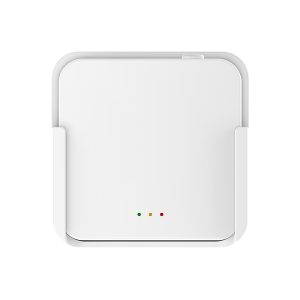
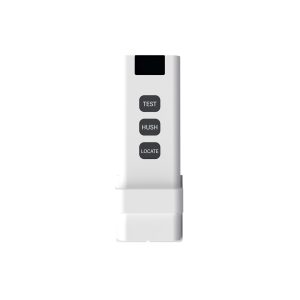
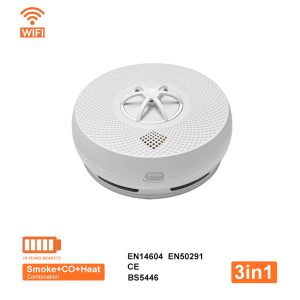
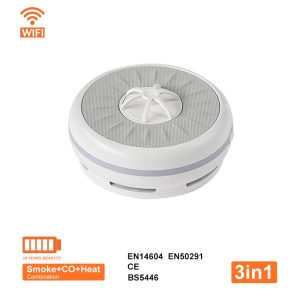
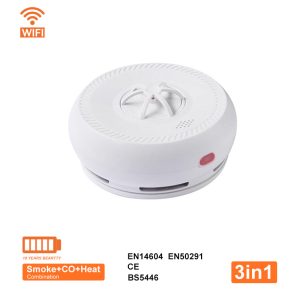
AJ-761 Wireless Interlinked smoke alarm







Leave A Comment