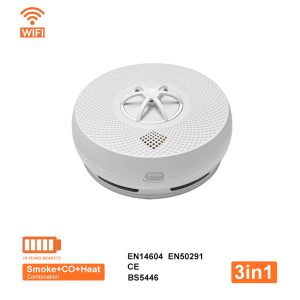
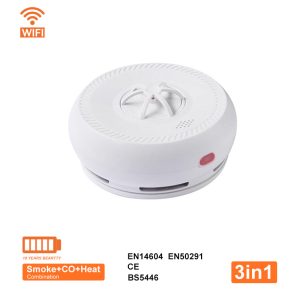
When it comes to residential fire safety, sourcing the right smoke alarm is critical for protecting lives and meeting regulatory requirements. For businesses targeting the European market, EN14604-certified 10-year battery photoelectric smoke alarms represent the gold standard in reliable, maintenance-free fire detection.

China has emerged as a global manufacturing hub for these essential safety devices, with established OEM/ODM manufacturers offering high-quality solutions at competitive prices. This comprehensive guide explores the top factory recommendations, key specifications, and essential considerations for sourcing EN14604-compliant smoke alarms from Chinese manufacturers.
Why EN14604 Certification Matters for European Markets
The EN14604:2005/AC:2008 standard is the European benchmark for standalone smoke alarms in residential properties. Compliance with this standard is not optional—it’s a legal requirement across EU member states for residential fire safety installations.
Key Benefits of EN14604 Compliance
Legal Market Access: EN14604 certification is your gateway to selling smoke alarms in the European Economic Area (EEA). Without it, products cannot be legally marketed or installed in residential buildings.
Photoelectric Sensor Advantage: Infrared photoelectric chambers excel at detecting slow-smoldering fires—the most common type in residential settings. Unlike ionization sensors, photoelectric technology significantly reduces false alarms from everyday cooking activities, making them ideal for kitchens and living areas.
10-Year Battery Life: Sealed lithium battery technology eliminates the need for battery replacements throughout the product’s lifespan, ensuring continuous protection and reducing maintenance costs for end-users.
Top Chinese Manufacturers Comparison
China’s manufacturing ecosystem offers several established players with proven track records in EN14604-compliant smoke alarm production. Here are the top three manufacturers to consider for your sourcing needs:
🔥 Kingdun
Product: Kingdun EN14604 Smoke Detector
Key Features:
- High-sensitivity photoelectric sensors for early fire detection
- 10-year standalone battery operation (sealed unit)
- EN14604:2005/AC:2008 certified for European compliance
- 85dB alarm output at 3-meter distance
- Specializes in OEM/ODM residential fire safety devices
Best For: Distributors seeking reliable, high-sensitivity photoelectric detectors with strong European market compliance.
🛡️ Anka Security
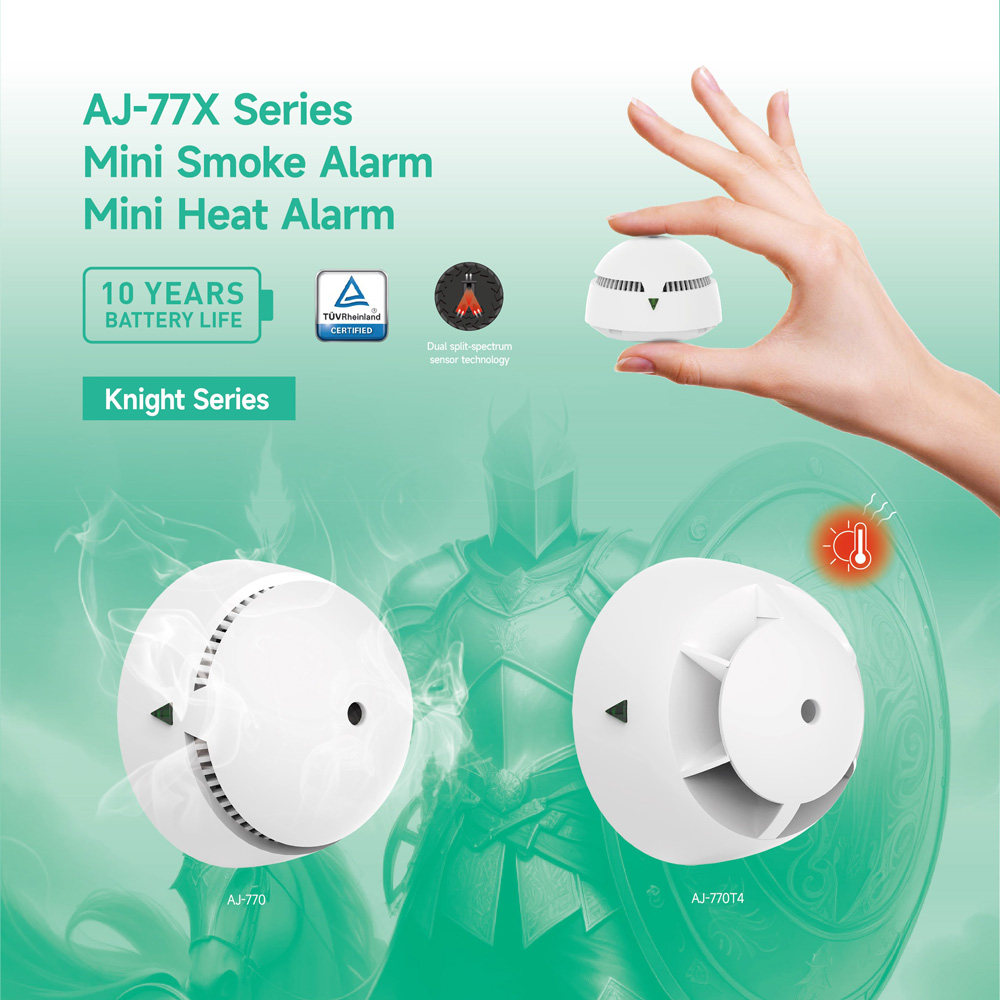
Product: Anka EN14604 Mini Smoke Alarm
Key Features:
- Compact, space-saving design without compromising performance
- TUV and ISO factory approvals ensuring quality management
- Comprehensive international compliance: CE, EN14604, UL
- Photoelectric sensor technology for smoldering fire detection
- 10-year sealed battery with hush mode functionality
Best For: Buyers requiring multi-certification (CE, EN14604, UL) and compact form factor for space-constrained installations.
📡 Sumring
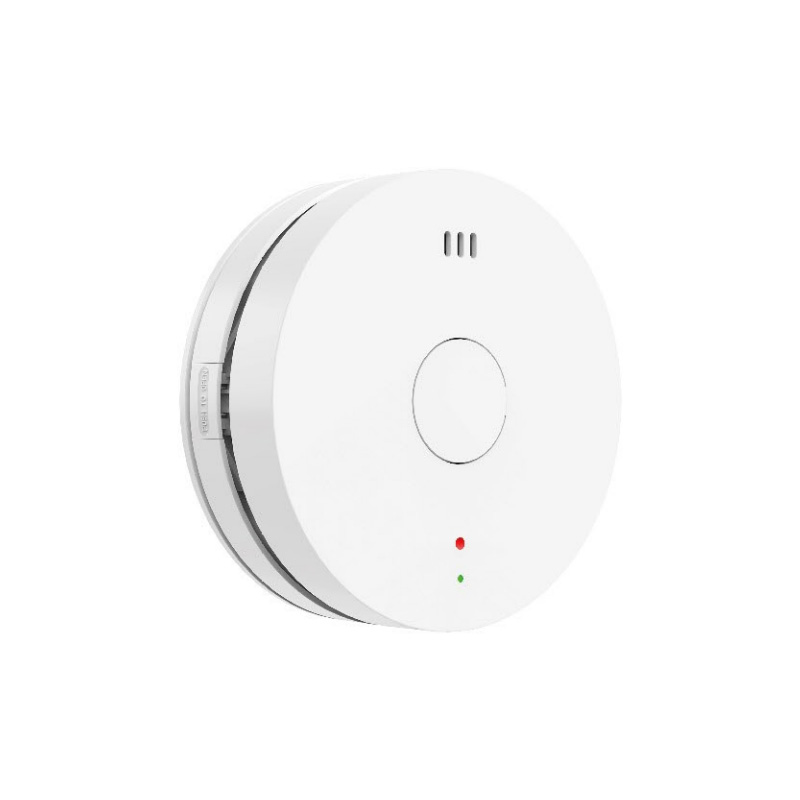
Product: Sumring 10-Year Battery Smoke Detector
Key Features:
- Sealed lithium-ion batteries for true 10-year standby capability
- Hush mode to temporarily silence nuisance alarms
- 85dB alarm output for clear audible warning
- Photoelectric chamber design reduces false cooking alarms
- EN14604 compliant for European residential markets
Best For: Projects prioritizing user convenience features like hush mode and sealed lithium battery technology.
📊 Manufacturer Comparison at a Glance
| Manufacturer | Product | Key Certification | Standout Feature |
|---|---|---|---|
| Kingdun | EN14604 Smoke Detector | EN14604 | High-sensitivity photoelectric sensors |
| Anka Security | EN14604 Mini Smoke Alarm | CE, EN14604, UL | Multi-certification + Compact design |
| Sumring | 10-Year Battery Smoke Detector | EN14604 | Hush mode + Sealed lithium battery |
Key Specifications to Verify Before Sourcing
Before finalizing your order with any manufacturer, ensure the following critical specifications are met and documented:
| Specification | Requirement | Why It Matters |
|---|---|---|
| Standard | EN14604:2005/AC:2008 | Legal compliance for European residential markets |
| Sensor Type | Infrared photoelectric chamber | Detects slow smoldering fires; reduces cooking false alarms |
| Power Source | Sealed 3V lithium or long-life DC battery | Ensures 10-year standby capability without replacement |
| Sound Output | Minimum 85 dB at 3 meters | Meets EN14604 audibility requirements for wake-up alert |
| Battery Life | 10-year sealed unit | Maintenance-free operation for end-users |

⚠️ Critical Verification Checklist
- ✅ Request valid EN14604 test reports and certificates
- ✅ Confirm CE marking and Declaration of Conformity (DoC)
- ✅ Verify factory audits (ISO 9001, BSCI, or equivalent)
- ✅ Test sample units for alarm volume and sensor response
- ✅ Check packaging includes required warning labels and instructions in target language
Complete Buying Guide for Importers
Step 1: Define Your Market Requirements
Different European countries may have additional regional requirements beyond EN14604. For example, Germany’s DIN standards or specific building codes may apply. Confirm your target market’s full compliance needs before sourcing.
Step 2: Evaluate OEM/ODM Capabilities
All three recommended manufacturers (Kingdun, Anka Security, Sumring) offer OEM/ODM services. Consider:
- Custom branding: Logo printing, custom packaging, private labeling
- MOQ requirements: Minimum order quantities vary by factory
- Lead times: Typical production runs 30-45 days after sample approval
- Tooling & molds: Availability of existing designs vs. custom development
Step 3: Request and Compare Quotes
When requesting quotations, ensure all pricing includes:
- Unit cost (FOB or EXW)
- Certification documentation fees
- Custom packaging and branding costs
- Sample and testing fees
- Estimated shipping and import duties
Step 4: Conduct Factory Audits
Before committing to large orders, consider visiting the factory or hiring a third-party inspection service to verify:
- Production capacity and quality control processes
- Existing certifications and compliance documentation
- Worker conditions and ethical manufacturing practices
- Sample product testing and performance validation

Step 5: Establish Quality Assurance Protocol
Implement ongoing quality checks including pre-shipment inspections (PSI), random sampling per AQL standards, and periodic re-testing of certification compliance.
Frequently Asked Questions
Q: Is EN14604 certification mandatory for all European countries?
A: Yes, EN14604:2005/AC:2008 is the harmonized European standard for smoke alarms. Compliance is required for residential installations across EU/EEA member states, though some countries may have additional national regulations.
Q: What’s the difference between photoelectric and ionization smoke alarms?
A: Photoelectric alarms use light sensors to detect large smoke particles from smoldering fires, making them ideal for residential use with fewer false alarms from cooking. Ionization alarms respond faster to flaming fires but are more prone to nuisance alarms. EN14604 standards apply to both types.
Q: Can I get custom branding on EN14604 smoke alarms?
A: Absolutely. All three manufacturers featured (Kingdun, Anka Security, Sumring) specialize in OEM/ODM services, offering custom logos, packaging, and private labeling options for distributors and importers.
Q: How long does the 10-year battery actually last?
A: Sealed lithium batteries in EN14604-compliant alarms are designed for 10-year standby operation under normal conditions. The sealed design prevents tampering and ensures the battery lasts the entire product lifespan without replacement.
Q: What is “Hush Mode” and why is it important?
A: Hush Mode allows users to temporarily silence nuisance alarms (e.g., from cooking smoke) for approximately 8-10 minutes. This feature, available on models like Sumring’s detector, prevents users from disabling the alarm entirely—a common safety risk.