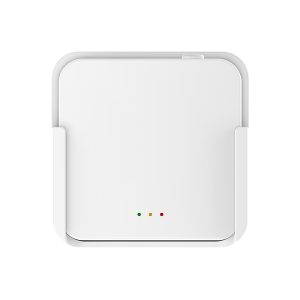
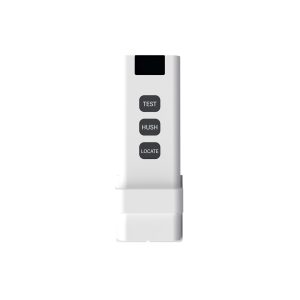
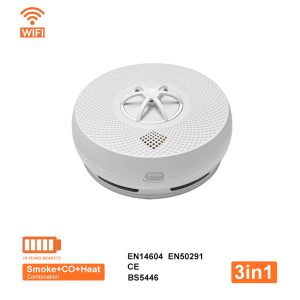
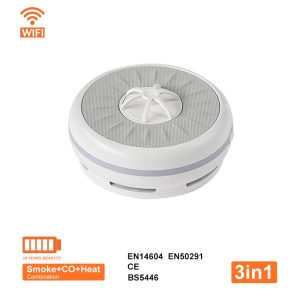
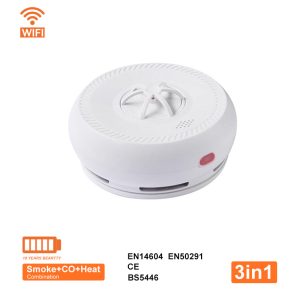
For Australian homes and rentals, the safest 240V smoke alarm spec is simple: photoelectric sensor, AS 3786:2014 compliance, mains 220–240V AC with a backup battery, and interconnection so every alarm sounds together. The Anka AJ-710M range offers 9V or 10-year 3V backup variants with a large cover plate for retrofit ceilings, while the Clipsal 755PSMA4 / 755RLPSMA4 range is a common electrician-specified option with wired or RF interconnect up to 40 units.

Australian residential smoke alarms should comply with AS 3786:2014; check the standard mark on the alarm body and any ActivFire/SAI listing for procurement evidence. Photoelectric sensors are preferred because they respond early to smouldering fires from upholstery, cabling and electrical faults.
- Photoelectric only for compliant new specs; avoid ionisation-only units where photoelectric is required.
- 240V hardwired with secondary backup — replaceable 9V or sealed/10-year lithium, depending on model and state rules.
- Interconnected when more than one alarm is installed, so all linked alarms activate from one trigger.
- Installed by a licensed electrician for any permanent 240V connection in Australia.
Anka AJ-710M: 240V Hardwired, 9V or 10-Year Backup
The Anka AJ-710M series is a ceiling-mount photoelectric smoke alarm for 220–240V AC, 50Hz, with a large base designed to cover old detector marks/holes. Two mainstream backups:
AJ-710M-9 — replaceable 9V backup
- Power: 220–240V AC mains; 9V DC backup, replace roughly annually
- Sensor: photoelectric; sounder ≥85dB at 3m
- Size: approx. Ø140.5 × 43mm; large base for retrofit ceilings
- Interconnect: wired interconnect; Anka literature lists >22 wired units in some configurations, retail sheets list up to 50, with optional RF module for wireless groups
- Compliance: AS 3786:2014, ActivFire/SAI references on selected SKUs; confirm the exact model/certificate before purchase
- Extras: test/hush button, low-battery and fault indication, LED status
AJ-710M-3 — sealed 3V lithium, up to 10-year backup
- Power: 220–240V AC mains; non-replaceable 3V lithium backup rated up to 10 years
- Sensor: photoelectric; ≥85dB at 3m; ABS housing
- Size: approx. Ø140 × 43mm
- Interconnect: wired interconnect, with optional RF433 wireless on RF variants; verify model suffix and pairing limits
- Best for: low-maintenance homes, rentals and replacements where you do not want annual 9V changes
Clipsal 755PSMA4 and 755RLPSMA4
Clipsal’s 755 Generation 4 photoelectric alarms are widely used for Australian hardwired installs.
755PSMA4 — 240V + 9V replaceable
- Power: 220–240V AC, 50Hz; 9V carbon-zinc or alkaline backup, ~12-month replacement
- Sensor: photoelectric optical chamber with insect screen; ≥85dB at 3m
- Interconnect: wired up to 40 alarms over 150m; optional 755RFB/755RFB2 wireless base for RF groups up to 40
- Compliance: AS 3786:2014; ActivFire listing on listed SKUs
- Retrofit: Gen 4 uses 755-series bases for quicker swap-over
755RLPSMA4 — 240V + rechargeable 10-year lithium
- Power: 220–240V AC; sealed rechargeable lithium backup designed for up to 10 years
- Sensor: photoelectric; standby power <3mW; ≥85dB at 3m
- Interconnect: wired up to 40; optional 755RFB2 wireless base or 755RB relay base
- Best for: new builds, rentals and owners who want minimal battery servicing
Quick Comparison: Anka AJ-710M vs Clipsal 755
| Model | Power & backup | Interconnection | Best use case |
|---|---|---|---|
| Anka AJ-710M-9 | 220–240V AC + replaceable 9V (~1 year) | Wired; optional RF module; up to 22–50 depending on SKU/sheet | Low-cost hardwired retrofit, old ceiling marks covered by large base |
| Anka AJ-710M-3 | 220–240V AC + sealed 3V lithium (up to 10 years) | Wired; optional RF433 on RF variants | Low-maintenance homes/rentals, fewer battery changes |
| Clipsal 755PSMA4 | 220–240V AC + 9V replaceable (~1 year) | Wired up to 40; optional 755RFB/RFB2 wireless | Electrician-specified replacements, existing 755 bases |
| Clipsal 755RLPSMA4 | 220–240V AC + rechargeable 10-year lithium | Wired up to 40; optional 755RFB2/755RB | New builds, interconnected systems, minimal servicing |
| Red R240RC | 240V AC + lithium backup (model-dependent) | Wired plus optional RF base | Electrician packages, QLD interconnected specs |
| HPM / FirePro (Bunnings) | 240V AC with backup — confirm exact SKU | Confirm per model; not all support wireless | Budget mains buys, always installed by licensed electrician |
For HPM and FirePro, confirm the carton shows AS 3786:2014 and the correct backup/interconnect type before purchase. For Red, confirm R240RC backup chemistry and RF base compatibility with your selected wireless group.
Wired vs Wireless RF Interconnection
Interconnection means one alarm detects smoke and all linked alarms sound. In the NCC and many state rules, where more than one alarm is installed they must be interconnected within the dwelling. [17](@ref)
| Method | Pros | When to use |
|---|---|---|
| Hardwired interconnect cable | Stable, no RF pairing issues; Clipsal supports up to 40 units/150m | New builds, open ceilings, full rewires |
| Wireless RF base/module | No extra cable through finished ceilings | Retrofits, concrete ceilings, limited roof access; use same-brand RF ecosystem |
| Hybrid wired + RF | Extends old wired system to new rooms | Mixed sites; plan base/model compatibility with electrician |
Anka AJ-710M wireless uses optional modules/RF variants; Clipsal uses 755RFB/755RFB2 bases; do not mix brands on the same RF group unless the manufacturer confirms interoperability.

Australian Installation Rules
- Licensed electrician: 240V hardwired alarms must be installed by a licensed electrician; DIY is generally for permitted battery-only situations only.
- Locations: NCC residential guidance places alarms in bedroom corridors/hallways on storeys with bedrooms and on other storeys without bedrooms; states add detail. Queensland requires alarms in each bedroom, connecting hallways and every storey for compliant interconnected systems.
- Ceiling placement: avoid dead-air corners; keep clear of walls/obstructions, cooktops, bathrooms, vents and fans to reduce nuisance alarms.
- Queensland timeline: all existing private homes/townhouses/units need interconnected photoelectric AS 3786:2014 alarms by 1 January 2027; hardwired with 9V or non-removable 10-year backup, or compliant 10-year battery models.
- NSW/other states: rules vary; photoelectric AS 3786:2014 is the baseline, with hardwired/interconnected expectations for new builds, renovations and many rentals.
Battery, Testing and Replacement
- Test monthly with the test/hush button; for interconnected systems, confirm all units trigger.
- 9V models (Anka AJ-710M-9, Clipsal 755PSMA4): replace backup annually or on low-battery chirp.
- Sealed/lithium models (Anka AJ-710M-3, Clipsal 755RLPSMA4): follow manufacturer service interval; many are designed for up to 10 years, but the whole alarm still has a service life limit.
- Vacuum the sensor chamber every 3–6 months; do not spray cleaners inside.
- Replace the complete alarm around 10 years from manufacture or earlier if faulty/after fire exposure.
Buyer’s Checklist
- Confirm AS 3786:2014 mark and ActivFire/SAI listing on the exact SKU.
- Choose 9V replaceable vs sealed/10-year lithium based on maintenance and state rules.
- Count bedrooms, hallways and storeys; Queensland in particular needs bedroom + hallway + per-storey coverage.
- Decide wired-only, RF wireless, or hybrid; keep one brand/protocol per wireless group.
- Check base size if covering old holes — Anka AJ-710M large base is aimed at this; Clipsal Gen 4 reuses 755 bases.
- Get a licensed electrician to supply/install/commission and provide compliance documentation.