

Heat detectors are ideal for kitchens to avoid false alarms from cooking fumes, steam, and dust, but you should also consider installing dual-sensor alarms or smoke alarms away from cooking areas for added protection. For comprehensive safety, install linked smoke and heat alarms throughout your home, placing heat detectors on the kitchen ceiling.

Why use heat detectors
Prevents false alarms: Unlike smoke alarms, heat detectors are not triggered by steam, cooking fumes, or dust, which are common in kitchens.
Detects heat generated by fire: They work by measuring the temperature of a room and, if it exceeds a certain limit, sounds an alarm, indicating a fire.
Enhanced safety options
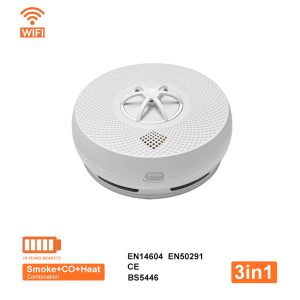
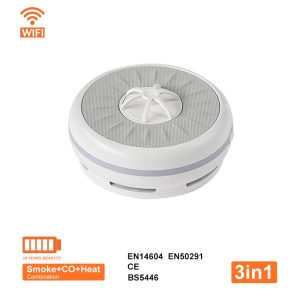
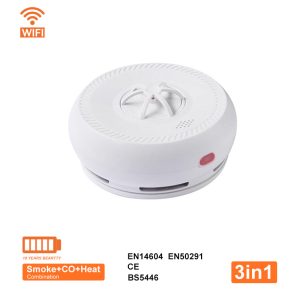
Dual-sensor alarms: These advanced alarms combine smoke (photoelectric) and heat sensors, providing excellent protection for kitchens by responding to fast-burning fires and dangerously high temperatures.
Kitchen smoke alarms: If using a smoke alarm in the kitchen, choose one with an advanced photoelectric sensor, as newer models are less prone to false alarms from steam. However, be sure to place it at least 10 feet away from cooking appliances.
Heat Detector Installation Tips
Ceiling Placement: Mount the alarm as centrally as possible on the ceiling to quickly detect smoke or heat.
Avoid Obstructions: Keep the alarm at least 300mm away from walls and light fixtures to prevent “dead air” spaces where airflow may be restricted.
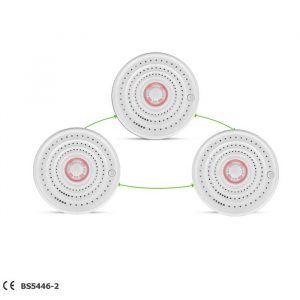
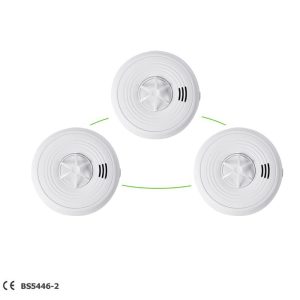
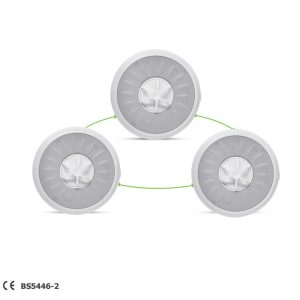
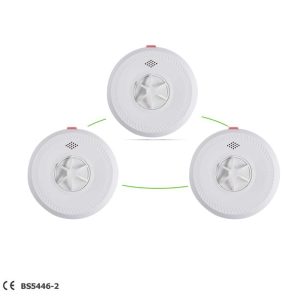
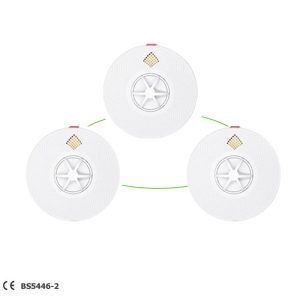
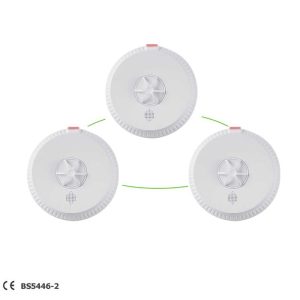
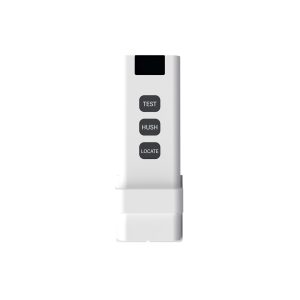
Linked System: Link smoke and heat alarms so that if a fire is detected, all alarms will sound throughout the house, providing an integrated whole-house alarm system.






Leave A Comment