

Heat detectors and smoke detectors serve different purposes, and neither is universally “better.” The best choice depends entirely on the specific environment and fire risks. This guide breaks down the differences to help you decide.

Smoke Detectors: Best for Early Warning
Ideal for: Bedrooms, living rooms, and hallways where early warning of smoldering or flaming fires (like electrical or upholstery fires) is critical.
Pros
- Faster Detection: Detect fires earlier than heat detectors in most residential scenarios.
- Life Safety: Alerts occupants before flames spread, providing crucial escape time.
- Code Compliance: Required by building codes in most residential sleeping areas.
Cons
- False Alarms: Prone to nuisance alarms from cooking smoke, steam, or dust.
- Environmental Limits: Struggles in dusty, humid, or smoky environments (e.g., garages, attics).
- Sensor Types: Ionization sensors are less effective for slow, smoldering fires compared to photoelectric ones.
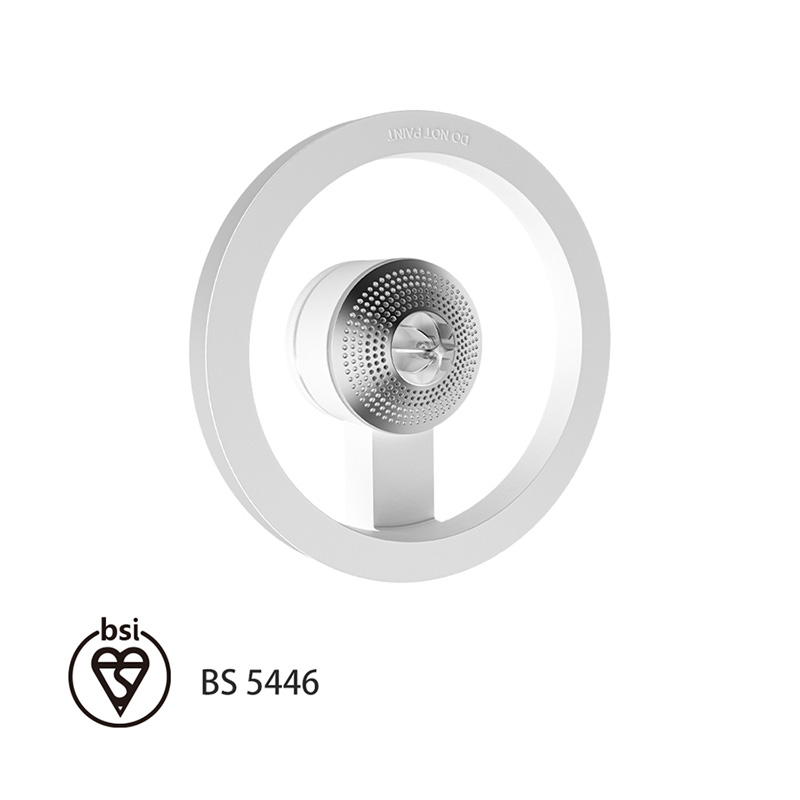
Heat Detectors: Best for High-Risk Areas
Ideal for: Kitchens, garages, workshops, and attics where smoke detectors would cause frequent false alarms.
Pros
- No False Alarms: Ignores smoke and steam, focusing only on temperature changes.
- Durability: Highly reliable in harsh environments (dusty, humid, or high-temperature areas).
- Two Detection Types: Includes fixed-temperature (alarms at ~135°F/57°C) and rate-of-rise (alarms at rapid temp spikes).
Cons
- Slower Response: Only reacts once heat is extreme; does not detect smoke.
- Not for Living Spaces: Does not provide early warning for smoldering fires, making them unsuitable for bedrooms.

Which One Should You Choose? Room-by-Room Guide
Residential Use (Homes)
Use smoke detectors (preferably photoelectric or dual-sensor) in bedrooms, hallways, and living areas to ensure early life safety.
High-Nuisance Areas (Kitchens & Garages)
Use heat detectors to avoid constant false alarms from cooking smoke or vehicle exhaust.
Commercial & Industrial Use
Combine both—use smoke detectors in offices and heat detectors in mechanical rooms, boiler rooms, or dusty storage areas.







Leave A Comment