

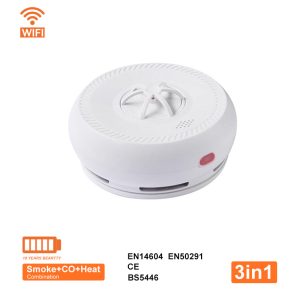
Hardwired smoke detectors connect directly to your home’s electrical system and feature battery backups. Their primary advantage is interconnectivity—if one alarm sounds, they all sound, providing critical early warning throughout your entire home.

A hardwired smoke detector is a permanent fixture in your home’s safety infrastructure. Unlike battery-operated units, these devices draw constant power from your household electrical circuit while maintaining a battery backup for outages. If you own a multi-story home or are planning new construction, understanding these systems is crucial for compliance and safety.
Why Choose Hardwired Smoke Alarms? Key Features & Benefits
Switching from battery-only models to hardwired systems offers significant advantages in reliability and coverage.
1. Continuous Primary Power
The main power source for these alarms is your home’s AC circuit. This eliminates the risk of a “low battery” chirp in the middle of the night and ensures the detector remains active without relying solely on battery life.
2. Essential Battery Backup
What happens when the power goes out? Hardwired units include a sealed lithium battery or standard 9V backup. This ensures your home remains protected 24/7, regardless of grid stability.
3. Whole-Home Interconnectivity
This is the standout feature. In an interconnected system, if a detector in the basement senses smoke, every alarm on every floor—from the bedroom to the attic—will trigger simultaneously. This is vital for large homes where a fire might start far from sleeping occupants.
4. Enhanced Reliability & Longevity
Because they aren’t dependent on homeowners constantly changing batteries (though backups still need checking), hardwired detectors offer a more stable safety net. Most models also feature self-testing diagnostics.

Where Are Hardwired Smoke Detectors Required?
Building codes across North America (such as the NFPA 72 and various IRC standards) often mandate hardwired systems in specific scenarios:
- New Construction: Most modern building codes require hardwired, interconnected smoke alarms with battery backup in all new homes.
- Major Renovations: When remodeling or finishing a basement, local regulations usually require upgrading existing alarms to hardwired models.
- Multi-Story Residences: Due to the “time-to-escape” factor, interconnected systems are highly recommended and often required for homes with multiple floors or apartments.

Installation and Maintenance Tips
Proper setup ensures your system works when you need it most.
Professional Installation is Crucial
Since these units tie into your home’s 120V electrical system, DIY installation is not recommended and can be dangerous. Always hire a licensed electrician to ensure the wiring is safe, compliant with local codes, and properly grounded.
Regular Testing Schedule
Test your alarms monthly by pressing the “test” button. Even though they are hardwired, you must check the backup battery annually and replace it according to the manufacturer’s instructions (usually every 6-12 months for standard batteries).
Replace Every 10 Years
Smoke detectors have a limited lifespan. The sensors become less sensitive over time. Regardless of whether the unit seems functional, replace all hardwired smoke detectors every 10 years.

Frequently Asked Questions (FAQ)
Do hardwired smoke detectors still need batteries?
Yes. They require a battery backup to operate during power outages. Some newer models come with sealed 10-year lithium batteries that last the life of the detector.
Can I install a hardwired smoke detector myself?
It is strongly advised against. Working with household electricity poses a risk of shock and fire. Professional installation ensures compliance with electrical codes and maintains your home insurance validity.
How do I know if my smoke detector is hardwired?
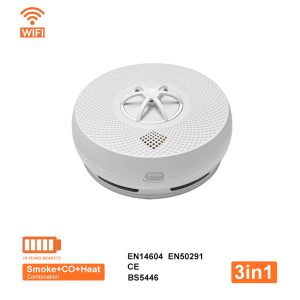
Look at the base of the alarm. If there is no battery cover on the front or back, and it is mounted flush to the ceiling with wires leading into the baseplate, it is likely hardwired.







Leave A Comment