

If you own or rent a home in Australia, upgrading your smoke alarms is no longer optional.
From 1 January 2022, landlords must install interconnected photoelectric smoke alarms in all residential rental properties whenever a new or renewed lease begins. By 2027, every existing dwelling—including private homes, townhouses, and apartments—must comply with these strict safety standards.

Homeowners are strongly encouraged to act early. If your smoke alarm is faulty or more than ten years old (check the date stamped on the back), it must be replaced immediately with a compliant photoelectric model.
Australian Smoke Alarm Compliance Checklist
To meet current regulations, every smoke alarm in your home must:
- Be photoelectric (not ionisation)
- Comply with Australian Standard AS 3786-2014 (clearly marked on the unit)
- Be interconnected: when one alarm sounds, all alarms activate
- Be less than 10 years old
- Remain operational during routine testing
Interconnection can be achieved via hardwired cabling or secure wireless technology, depending on your property’s setup.

Hardwired vs. 10-Year Battery Smoke Alarms
Homeowners and landlords can choose between two main systems:
- Hardwired Smoke Alarms: Connected to 240V mains power by a licensed electrician.
These often include a rechargeable backup battery. - 10-Year Non-Removable Battery Alarms: Wireless, easy to self-install, and ideal
for retrofits or homes without existing cabling.
Both options are legal as long as they meet AS 3786-2014 and provide full interconnection.

Where to Install Photoelectric Smoke Alarms
Correct placement is critical for compliance and safety. Smoke alarms must be installed:
- On every storey of the home
- Inside each bedroom
- In hallways connecting bedrooms to the rest of the dwelling
- Between bedrooms and other parts of the home if no hallway exists
- On storeys without bedrooms, in the most likely escape path
Installation Do’s and Don’ts
- Install alarms on the ceiling, avoiding:
- Corners within 300mm of walls and ceilings
- Within 300mm of light fittings
- Within 400mm of air-conditioning vents
- Within 400mm of ceiling fan blades
- Avoid “dead air” spaces and insect-prone areas
- Never install alarms inside or directly near kitchens or bathrooms
Stairways, sloping ceilings, and exposed beam ceilings have additional requirements—always
follow the manufacturer’s instructions and local building codes.

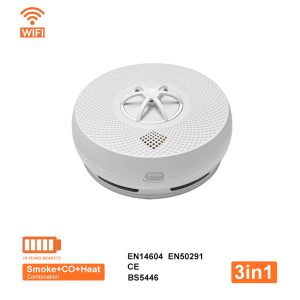
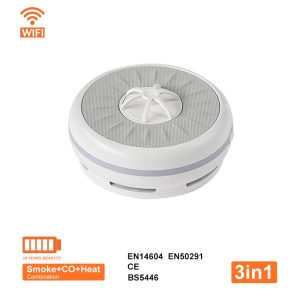
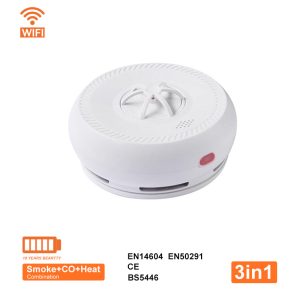
Recommended Product: ANKA ActivFire Approved 240V Smoke Alarm
For homeowners seeking a reliable, regulation-ready solution, the
ANKA ActivFire Approved 240V Smoke Alarm is a top choice:
- Certified under the ActivFire Scheme
- Fully compliant with AS 3786-2014
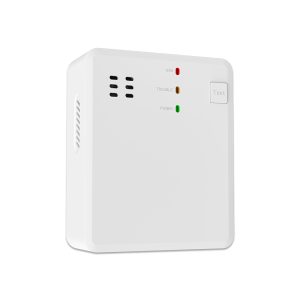
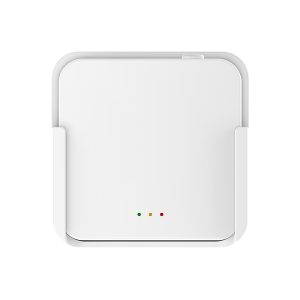
- Available in hardwired and wireless-interconnected models
- Advanced photoelectric sensor reduces false alarms from cooking or steam
- Ideal for both new installations and upgrades ahead of the 2027 deadline
Choosing ANKA ensures peace of mind, legal compliance, and superior protection for your family.
Don’t Wait Until 2027 – Upgrade Your Smoke Alarms Today
Fires can spread in minutes—especially while you sleep. Upgrading to interconnected
photoelectric smoke alarms is the single most effective way to protect lives and property.
Check your alarms today, replace any outdated units, and choose trusted products like
ANKA ActivFire approved smoke alarms.
Protect what matters most. Stay compliant. Choose ANKA.






Leave A Comment