

Table of Contents

Market Drivers: Why Demand is Non-Negotiable
The Australian fire safety market is unique due to its strict regulatory environment. Unlike other consumer goods, smoke detectors are a legal requirement, creating a resilient market for wholesalers.
1. Mandatory Legislative Compliance
Across Australia, state-specific legislation (such as the Building Code of Australia (BCA)) mandates the installation of smoke alarms in all residential dwellings. Whether it’s new builds or rental properties, property owners must comply, ensuring a constant flow of orders for compliant stock.
2. The Replacement Cycle (Every 10 Years)
Smoke alarms have a maximum lifespan of 10 years. After this period, the sensors degrade, and units must be replaced. This creates a predictable replacement market, distinct from new construction, providing year-round sales opportunities.
3. Renovations and Real Estate Transfers
Major renovations and the sale or lease of a property trigger compliance checks. In Queensland, for example, homes sold or leased must meet specific interconnected alarm requirements, driving urgent bulk purchases.
4. Rise of Smart Home Integration
There is significant growth in the IoT (Internet of Things) sector. Wholesalers offering Wi-Fi or RF (Radio-Frequency) interconnected alarms can tap into the premium market, appealing to tech-savvy builders and homeowners seeking remote monitoring capabilities.

Navigating Australian State Legislation
A successful wholesaler must understand regional nuances. While photoelectric technology is the national standard, specific requirements vary:
- Queensland (QLD): Leads the nation with laws requiring all homes to have hardwired or 10-year sealed battery photoelectric alarms interconnected in all bedrooms and escape paths.
- New South Wales (NSW): Requires hardwired alarms to be replaced with hardwired units where possible. Battery-powered units are permitted in locations where mains power is unavailable.
- Victoria (VIC) & Western Australia (WA): Mandate photoelectric smoke alarms in all new builds and rental properties, with strict placement rules.
Pro Tip: Stocking AS 3786-2014 certified products is non-negotiable for the Australian market.

Essential Product Range for Wholesalers
To capture the entire market, your inventory should cater to both mandatory requirements and emerging trends:
- 240V Hardwired Smoke Alarms: The staple for new constructions and renovations. Ensure stock includes models with rechargeable backup batteries.
- 10-Year Sealed Battery Alarms: Ideal for retrofits, rentals, and areas without easy access to mains power.
- Photoelectric (Optical) Sensors: Essential. Ionisation alarms are being phased out; photoelectric is superior for detecting slow-smouldering fires.
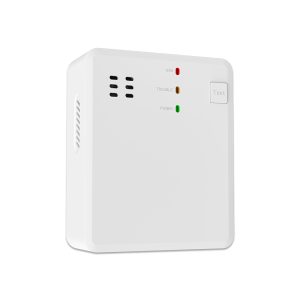
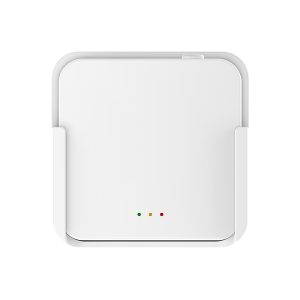
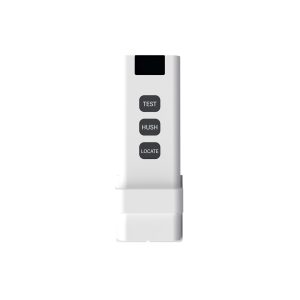
- Interconnected Systems: Both wired (9V signal) and wireless (RF) interconnected units are crucial for meeting whole-home safety standards.
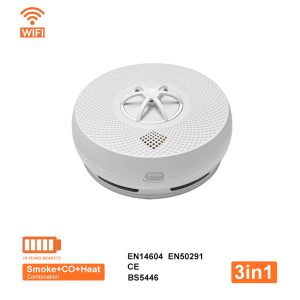
- Smart/Wireless Alarms: Offer app connectivity for the growing smart home sector.

Strategies for Wholesale Success
Success in this sector relies on more than just stocking shelves. It requires a robust B2B strategy.
Build a Robust Distribution Network
Your primary customers are licensed electricians, builders, hardware chains (like Bunnings or Reece), and property managers. Providing trade accounts, volume discounts, and reliable logistics will secure long-term contracts.
Technical Expertise & Support
Train your sales team on the differences between AS 3786 standards and state-specific laws. Offering technical data sheets and compliance certificates adds value that generic suppliers cannot match.
Competitive Pricing & Logistics
Wholesale margins depend on volume. Optimize your supply chain to offer competitive landed costs. Fast dispatch is critical, as builders often face tight project deadlines.
Marketing to the Trade
Move beyond traditional advertising. Sponsor trade shows, provide educational content on compliance changes, and create easy-order portals for busy electricians.

Frequently Asked Questions (FAQ)
Is it profitable to wholesale smoke detectors in Australia?
Yes. Due to mandatory legislation and a strict 10-year replacement cycle, the demand is consistent and legally enforced, making it a stable B2B sector.
What is the difference between photoelectric and ionization alarms?
Australian standards favour photoelectric alarms because they respond faster to smouldering fires (common in homes). Ionization alarms are less effective for domestic environments and are being phased out in many states.
Do I need to stock both hardwired and battery alarms?
Absolutely. Hardwired (240V) is mandatory for new builds, while 10-year sealed battery units are essential for retrofitting older homes or meeting specific rental requirements without the cost of electrical work.






Leave A Comment