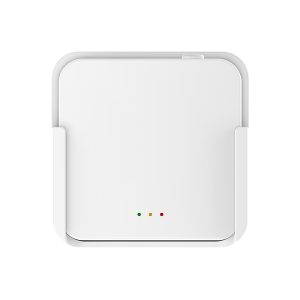
Understanding Natural Gas Detectors
Natural gas is colorless and odorless in its natural state. A distinctive, pungent “rotten egg” odor is added specifically so you can recognize it quickly in case of a leak.
Natural gas consists primarily of methane. A natural gas detector continuously measures the concentration of methane in the air and sounds an alarm to alert you before dangerous levels are reached.
Homeowners may install these detectors for an additional safeguard to protect their families and property.
Important Disclaimer: Never depend on your natural gas detector as a substitute for proper equipment installation, use, and maintenance.

How It Works
If your device detects a dangerous level of natural gas in your home, it will:
- Flash a warning light
- Emit a loud alarm sound
Please refer to your user’s manual for the specific alarm characteristics of your device.
Test Your Device Regularly
Regular testing ensures your detector is functioning properly:
- Press and hold the “test” button to check functionality
- Refer to your user’s manual for recommended testing intervals
- Check the light and sound patterns to confirm proper operation
- Learn how to identify when a new battery is required
If the alarm ever fails to test correctly, contact the manufacturer immediately. See your user’s manual for comprehensive installation, maintenance, and testing instructions.

EMERGENCY: If the Alarm Sounds
Respond Immediately!
Assume there is a dangerous natural gas leak.
DO THIS:
- LEAVE IMMEDIATELY. Get everyone out of the building quickly
- MOVE TO A SAFE DISTANCE. Go approximately 330 feet away (about the length of a football field)
- CALL FOR HELP. From a safe distance, call National Fuel’s gas emergency number or 911
- PROVIDE DETAILS. Give the exact location (including cross streets) and inform them of any recent appliance work or nearby digging activities
- WAIT FOR CLEARANCE. Do NOT go back inside until National Fuel personnel say it is safe
DO NOT DO THIS:
- Use the telephone or any electrical appliances
- Touch light switches, garage door openers, or doorbells
- Use radios, TVs, or cell phones inside the building
- Disconnect the gas detector battery to silence the alarm (a spark could cause an explosion)
- Assume someone else will report the leak
A spark from any of these sources could ignite the gas, causing a fire or explosion.
If You Have Children in Your Home
- Keep small children away from the detector unit and do not let them play with it
- Explain the alarm to children — teach them what the different lights and sounds mean
- Practice the drill — teach children to leave the home immediately and tell a trusted adult if the unit begins to flash or beep