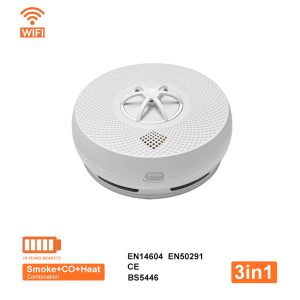
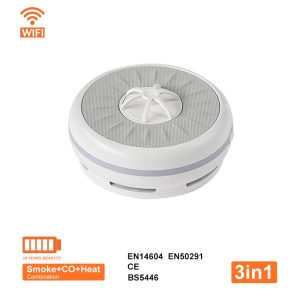
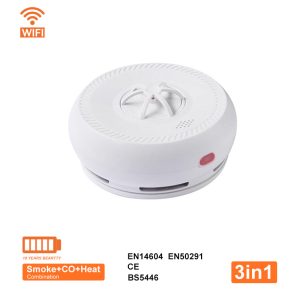
Yes, smoke alarms are mandatory in residential buildings across the U.S., required in all homes, apartments, and rentals, with specific placement rules (near bedrooms, on every level including basements) and often stricter mandates for new construction (hardwired, interconnected) varying slightly by state and local laws. The National Fire Protection Association (NFPA) provides guidelines, and most states have their own laws, often requiring alarms for sale or rental, and sometimes specific types like 10-year sealed batteries (e.g., California).

Key Requirements:
Location: At least one on every level (including basements), inside each bedroom, and in the hallway outside sleeping areas.
New Construction: Usually requires hardwired, interconnected alarms with battery backup, so they all sound together.
Existing Homes: Often allows battery-powered, but some areas mandate upgrades if major renovations occur.
State Variations: States like California require alarms in bedrooms, hallways, and on every level, with specific 10-year battery rules for new installs.
Local Laws: Local jurisdictions can have stricter rules, overriding state or national recommendations.
Placement Standards
While laws vary, most states follow National Fire Protection Association (NFPA) guidelines:
Inside every bedroom (sleeping room).
Outside each sleeping area (e.g., in hallways).
On every level of the home, including the basement.
2025 Updates and Trends
10-Year Sealed Batteries: There is an ongoing shift to phase out removable 9-volt batteries. States like California, New York, and Illinois now require that any new battery-powered alarms installed feature a non-removable, 10-year lithium battery.
New Nuisance Standards: As of January 1, 2025, updated NFPA 72 standards require new smoke alarms installed near kitchens to meet stricter “cooking nuisance” criteria to reduce false alarms from cooking.
You must have smoke alarms in your US home; check your state and local fire marshal’s website for precise placement and type of alarm required.
For specific local requirements, you should check with your local fire marshal or building department, as some cities (like Chicago or Phoenix) have ordinances that exceed state laws.