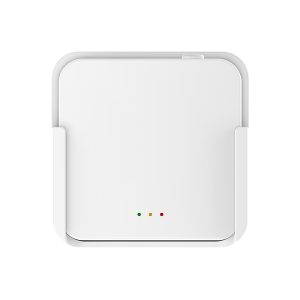
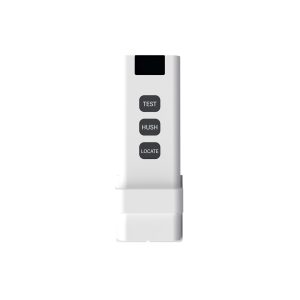
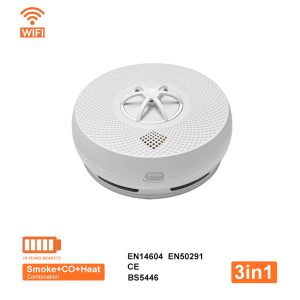
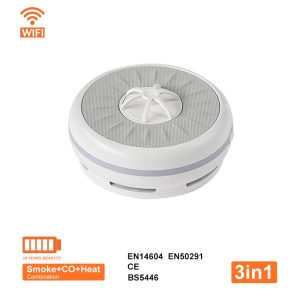
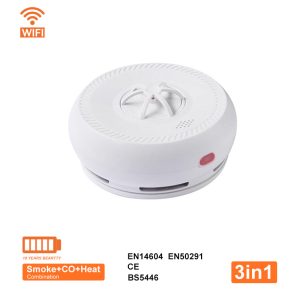
Yes, the Anka AJ987X series consists of battery-powered natural gas detectors currently available on the market, commonly used to detect leaks of natural gas, propane, and methane. These detectors are easy to install—requiring no wiring—and can be freely placed in any location; furthermore, select models are equipped with sealed lithium batteries boasting a lifespan of up to 10 years, thereby providing long-term safety protection.

Why Install a Natural Gas Detector and Alarm?
Installing a natural gas detector and alarm is a critical safety measure to detect odorless methane leaks early, preventing house explosions, fires, and carbon monoxide poisoning. These devices provide 24/7 monitoring, alerting residents to dangerous gas concentrations even when they are asleep or when the odorant (mercaptan) is not noticed.
Key Features and Options for Natural Gas Detectors and Alarms:
Leading Brands and Retailers: Top brands such as DeNova Detect, Anka Security, First Alert, and Stalwart all offer battery-powered devices, which are now available for purchase at Lowe’s and The Home Depot.
10-Year Battery Life Models: DeNova Detect’s battery-powered detectors—featuring a 10-year battery life—are highly popular, offering maintenance-free operation.
Multifunctionality: Many battery-powered detectors also incorporate carbon monoxide (CO) monitoring capabilities.
Installation Placement: Thanks to their battery power source, these devices can be mounted high on walls—precisely where natural gas tends to rise and accumulate due to its lower density—without being restricted by the proximity of power outlets.
Product Types: Available models span a wide range of types, including fixed-position units designed for long-term, stationary monitoring, as well as portable handheld detectors equipped with gooseneck probes for precisely pinpointing the source of a leak.

Where should natural gas detectors and alarms be installed?
Natural gas detectors should be installed in the vicinity of gas-powered appliances—such as furnaces, stoves, and water heaters—typically at a distance of 3 to 10 feet. Installation locations are generally selected on walls or ceilings. Since natural gas is lighter than air, detectors should be mounted high on a wall—ideally between 4 and 12 inches below the ceiling—or installed directly on the ceiling itself, to ensure they can detect rising methane gas.
Anka shares these key installation locations with you:
Near Appliances: Install within a range of 3 to 10 feet of gas-powered appliances, such as water heaters, furnaces, and kitchen stoves.
High-Position Mounting: Place the unit between 4 and 12 inches below the ceiling, or mount it directly on the ceiling, to detect rising methane gas.
Basements and Utility Rooms: In basements, detectors should be installed near the gas meter or at the bottom of the stairs, as these locations are often the source of gas leaks.
Near Sleeping Areas: At least one alarm should be installed near bedrooms to ensure that occupants are awakened in the event of a hazardous situation.
Attached Garages: If the garage contains gas piping or a gas meter, a detector must be installed in this area.