What is AS3786?
AS 3786 is the mandatory Australian Standard for smoke alarms, setting technical requirements for performance, testing, and design (photoelectric, ionization, or combined) to ensure they effectively detect fires and alert occupants, with the 2023 version updating from 2014 to include interconnectivity and advanced features for legally sold and installed alarms in Australia. Compliance ensures effective fire detection, requiring alarms to meet criteria for sound, sensor type, power (hardwired or 10-year battery), and placement, with older alarms needing replacement.

What is AS3786 Smoke Alarm?
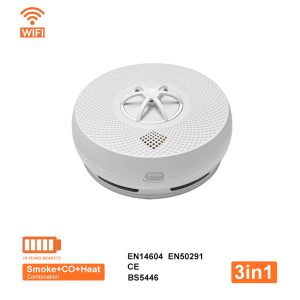
An AS3786 smoke alarm is a device that meets the mandatory Australian Standard AS 3786, specifying performance, testing, and marking for residential smoke detectors using scattered light (photoelectric), transmitted light, or ionization to detect smoke, ensuring they function reliably in Australian homes for early fire warning. Compliance with this standard, updated to AS 3786:2023, means the alarm has passed stringent lab tests for Australian conditions, covering power, interconnection, and types like photoelectric or ionization, with photoelectric types generally recommended.
Key Aspects of AS 3786
Mandatory Compliance: All smoke alarms sold and installed in Australia must meet this standard to be legal.
Detection Types: Covers alarms using photoelectric (good for slow fires), ionization, or both (combination).
Performance: Specifies minimum sound levels, testing procedures, power requirements, and interconnection capabilities.
Power Sources: Requires alarms to be hardwired (by an electrician) or use 10-year, non-removable batteries, with existing 240V alarms needing replacement with compliant 240V models.
Latest Version: AS 3786:2023 supersedes the 2014 version, incorporating new technology like interconnectivity.

Requirements & Installation (Varies by State/Territory)
Location: Generally required on every level, in hallways near bedrooms, and along paths of egress, often on ceilings away from corners, lights, and vents.
Interconnectivity: Alarms must often be interconnected so when one sounds, they all sound.
Replacement: Alarms over 10 years old or failing must be replaced with AS 3786 compliant units.
How to Identify Compliance
Look for the “AS 3786” marking and the year (e.g., AS 3786-2014 or AS 3786-2023) on the alarm’s packaging or housing, often alongside the photoelectric requirement for new installations.