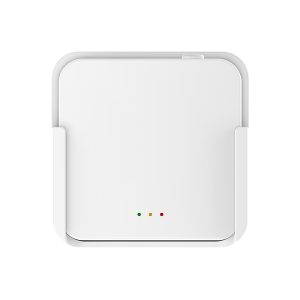
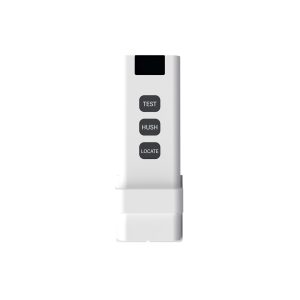
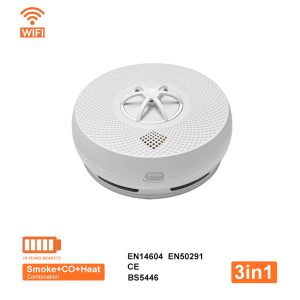
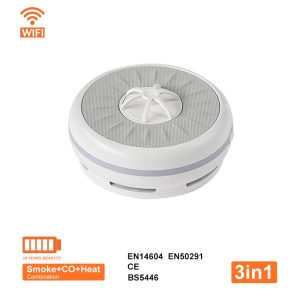
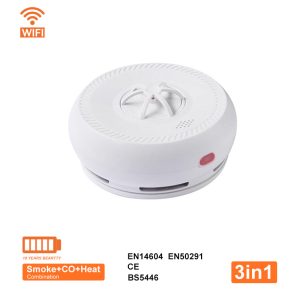
Battery-powered smoke detectors are cost-effective, wireless, and easily installed anywhere, making them ideal for any room, especially where wiring is difficult. They generally use 9V or AA batteries requiring annual replacement, or 10-year sealed lithium batteries. Key features include photoelectric sensors for smoldering fires, high-sensitivity detection, and automatic self-testing.

In Australia, mandatory smoke alarms must be photoelectric, either hard-wired (for homes post-1997) or powered by 10-year non-removable lithium batteries. Alarms must be installed on every level, inside bedrooms, and in hallways, with monthly testing recommended. Replace all smoke alarm units every 10 years to ensure compliance.
Why Battery-Powered Photoelectric Alarms Are the Smart Choice
Modern battery-powered smoke detectors offer a perfect blend of convenience, effectiveness, and safety. They are cost-effective, completely wireless, and can be installed in minutes without the need for an electrician, making them ideal for any room—especially in older homes, rental properties, or areas where wiring is difficult.
Key advantages include:
- Wireless Flexibility: Install on any ceiling or wall without proximity to power points.
- Reliable Power: Modern units use long-life 10-year sealed lithium batteries, eliminating the hassle of annual battery changes.
- Superior Detection: Photoelectric sensors are exceptionally responsive to smouldering fires (common from overheated wiring or slow-burning furniture), which produce more smoke before flames appear.
- Self-Checking Safety: Most models feature automatic self-testing to ensure they are always operational.
Australian Compliance at a Glance
Australian regulations are designed to maximise early detection. Key mandates include:
- Type: Photoelectric alarms are mandatory. Ionisation alarms are not recommended for home use.
- Power: Alarms must be either hard-wired (with battery backup) for homes built after 1997, or powered by a 10-year, non-removable lithium battery.
- Standard: All alarms must comply with Australian Standard AS 3786–2014.
- Replacement: The entire smoke alarm unit must be replaced every 10 years from the manufacture date.

Mandatory Placement: Where to Install Your Smoke Alarms
Correct placement is crucial for early detection. The law requires interconnected alarms (so when one sounds, they all sound) on every level of a home. Here’s the minimum requirement:
- On every storey: Including basements and attics if habitable.
- Inside every bedroom: To wake sleeping occupants.
- In hallways connecting bedrooms: If bedrooms are in a hallway, install an alarm in that hallway.
- In the path of travel: Between areas containing bedrooms and the rest of the dwelling.
Installation Do’s and Don’ts
Follow these tips for optimal performance:
| Location | Best Practice | Avoid |
|---|---|---|
| Ceiling Mount | Center of the ceiling, at least 300mm from any wall or corner. | Corners, where “dead air” spaces can prevent smoke from reaching the sensor. |
| Wall Mount (if ceiling not possible) | Position between 300mm and 500mm from the ceiling. | Placing too low, as smoke rises. |
| General Areas | In still air, in the path smoke would travel from living areas to bedrooms. | Near windows, air vents, ceiling fans, or in kitchens and bathrooms where steam or cooking fumes may cause false alarms. |
The Essential Maintenance Schedule
A smoke alarm only saves lives if it works. Follow this simple schedule to ensure reliability and compliance.
- Monthly: Press and hold the test button until the alarm sounds. This confirms the battery, sensor, and sounder are functional.
- Every 6 Months: Gently vacuum the exterior vents of the alarm to remove dust, cobwebs, and insects that can impair sensitivity.
- Annually: Perform a more thorough clean and check the manufacture date. Mark your calendar for the annual check.
- Every 10 Years: Replace the entire unit. The sensors degrade over time. Alarms with 10-year sealed batteries are designed to be disposed of and replaced after a decade.
Important Note: For alarms with replaceable 9V or AA batteries (still in some older homes), the battery must be replaced yearly. However, for new installations or replacements, Australian authorities strongly recommend moving to the modern 10-year lithium battery photoelectric type.

Upgrading for Safety and Compliance
If your home still uses older ionisation alarms or alarms with replaceable 9V batteries, it’s time to upgrade. Modern photoelectric alarms with 10-year batteries provide superior protection, eliminate yearly battery changes, and ensure you meet current Australian laws. Look for the AS 3786–2014 mark when purchasing.
Investing in the right smoke alarms is a small step that makes a monumental difference in home safety. By following this guide, you can create a compliant, effective early-warning network that protects what matters most.
Key Requirements Summary
- Alarm Type: Photoelectric only.
- Power Source: Hard-wired (with battery backup) OR 10-year sealed lithium battery.
- Standard: Must comply with AS 3786–2014.
- Placement (Minimum): Every level, all bedrooms, hallways.
- Lifespan: Replace entire unit every 10 years.
Quick Maintenance Checklist
- ✅ Monthly: Test button.
- ✅ 6-Monthly: Vacuum vents.
- ✅ Yearly: Deep clean & check date.
- ✅ 10 Years: Replace alarm.