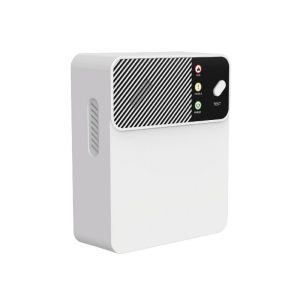
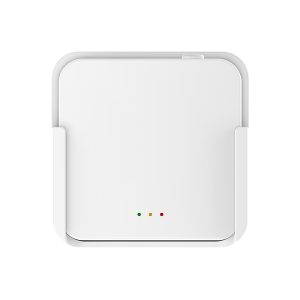
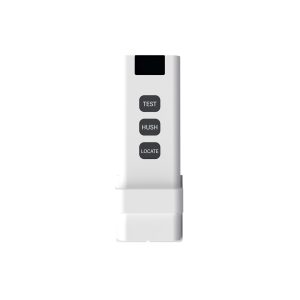
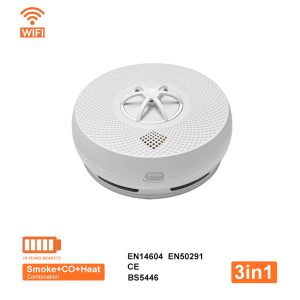
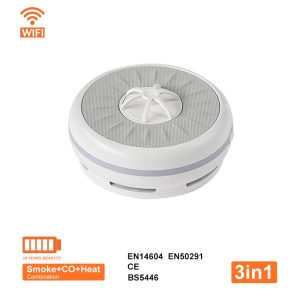
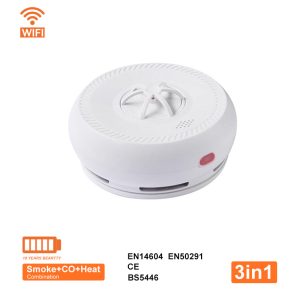
The best choice for a home natural gas detector depends on your specific needs, but some popular options include: the Kidde insert alarm, reliable and durable for everyday use; the Anka-Aj987 natural gas detector, affordable; and the Amprobe gas leak detector, providing accurate measurements. For more comprehensive protection, you can consider combination models that can also detect carbon monoxide (CO), smoke, and other harmful gases.

Popular Home Natural Gas Detector Recommendations
Kidde Insert Alarm: Convenient and practical, detects natural gas, propane, and carbon monoxide, ideal for everyday use.
Anka-Aj987: Affordable, easy to use, detects gases (Methane, Propane, LPG), certified with UL1484 and UL2075.
Amprobe Gas Leak Detector: More accurate and durable, suitable for users who need precise gas concentration measurements.
Ridgid Combustible Gas Detector: Considered the most durable option for more demanding environments.
Key Features to Consider When Buying a Home Gas Detector
Combined vs. Single Gas Detection: Some detectors detect only natural gas, while others, such as Kidde and many other popular models, are combined detectors that can also detect carbon monoxide, propane, and even fumes.
Detection Technology: Choose a device equipped with sensitive sensors to reliably detect the presence of natural gas. Some models use catalytic, infrared, or semiconductor sensors to measure gas concentration.
Power Supply: Choose from plug-in (with backup batteries for power outages), battery-powered, or a combination of both.
Features: Some models feature a digital display, Wi-Fi connectivity for app notifications, and an audible and visual alarm to alert you to leaks.
Installation Location: Install the detector near gas appliances (such as stoves and boilers) or in the basement, following the manufacturer’s installation guidelines (typically 4-12 inches from the ceiling and 3-10 feet from the device).
Things to Consider When Buying a Home Gas Detector
Reliability and Certification: Check for third-party certifications, such as EN 50194, to ensure the device meets safety standards.
Ease of use: For most households, a simple plug-in detector is a good choice. If you need higher accuracy, consider a more advanced handheld model.
Budget: Detectors vary in price, so consider your budget and which features you value most.