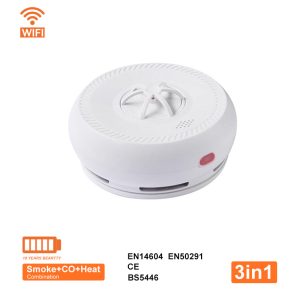
What is Carbon Monoxide and Why Are Alarms Critical?
Carbon monoxide (CO) is a deadly, colorless, odorless, and tasteless gas often called the “silent killer.” CO alarms are essential safety devices that provide early warning of dangerous leaks, helping prevent carbon monoxide poisoning.

7 Crucial Facts About Carbon Monoxide Alarms
1. How Carbon Monoxide Detectors Work
CO detectors continuously monitor air quality and sound an alarm when dangerous CO levels are detected. This early warning provides critical time to evacuate and seek fresh air.
2. Common Sources of Carbon Monoxide in Homes
Any fuel-burning appliance can produce CO. The primary sources include:
- Furnaces and boilers
- Dryer vents
- Fireplaces and chimneys
- Gas stoves and water heaters
Regular professional maintenance of these appliances helps prevent CO leaks.
3. Optimal Placement for CO Alarms
For maximum protection, install carbon monoxide detectors:
- On every level of your home (including basement)
- Inside each bedroom
- Outside all sleeping areas
- Near attached garages

4. Installation Guidelines: Wall vs. Ceiling
Contrary to popular belief, CO mixes evenly with air. Alarms can be mounted on walls (at least 5 feet from floor) or ceilings, following manufacturer instructions for optimal performance.
5. Understanding CO Alarm Beep Patterns
Different beep sequences signal different conditions:
- 4 beeps, pause, repeat: EMERGENCY – CO detected. Evacuate immediately and call 911.
- 1 beep every minute: Low battery warning. Replace batteries immediately.
- 5 beeps every minute: End of life alarm. Replace the entire unit.
Always refer to your specific model’s manual for exact beep patterns.
6. How to Test Your CO Detectors
Monthly testing ensures your alarms work properly:
- Press and hold the test button until the alarm sounds (typically 4 beeps)
- If the alarm doesn’t sound, replace batteries and test again
- If it still fails, replace the detector immediately
Keep alarms clean and dust-free for optimal performance.
7. Maintenance and Replacement Schedule
Proper maintenance is crucial for CO alarm effectiveness:
- Batteries: Replace every 6 months (or use lithium batteries with longer life)
- Testing: Test alarms monthly
- Full Replacement: Replace entire CO alarm every 5-7 years (check manufacturer date)

Carbon Monoxide Safety Checklist
- ✓ Install CO alarms on every level and in sleeping areas
- ✓ Test all alarms monthly
- ✓ Replace batteries every 6 months
- ✓ Service fuel-burning appliances annually
- ✓ Know the different beep patterns
- ✓ Have an evacuation plan for CO emergencies
- ✓ Replace CO alarms every 5-7 years
What to Do if Your CO Alarm Sounds
- Immediately evacuate everyone from the home
- Do not stop to open windows or turn off appliances
- Once outside, call 911 or emergency services
- Do not re-enter the home until emergency personnel declare it safe
- Seek medical attention if anyone experiences CO poisoning symptoms (headache, dizziness, nausea)
Frequently Asked Questions
Are CO alarms required by law?
Many states and municipalities require CO alarms in residential properties. Check your local building codes for specific requirements.
Can I use a smoke and CO combination alarm?
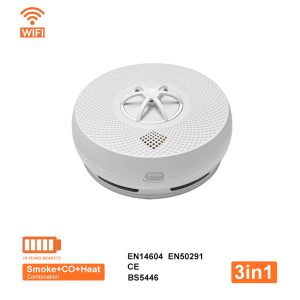
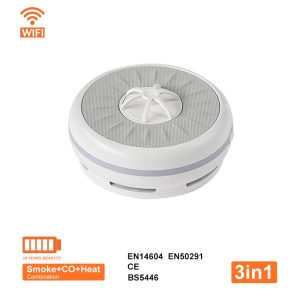
Yes, combination units are available and effective, provided they meet safety standards for both smoke and CO detection.
Do CO alarms expire?
Yes, all CO alarms have a limited lifespan, usually 5-7 years. The expiration date is typically printed on the back of the unit.
Will opening windows prevent CO buildup?
While ventilation helps, it’s not a substitute for proper maintenance and CO alarms. Never ignore a CO alarm warning.