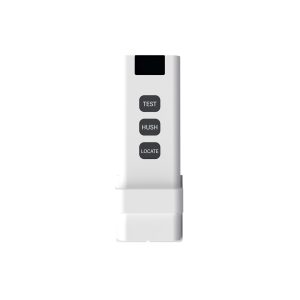
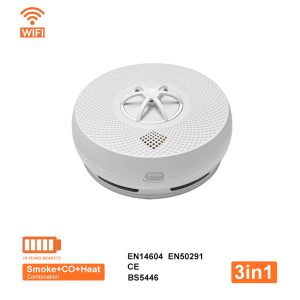
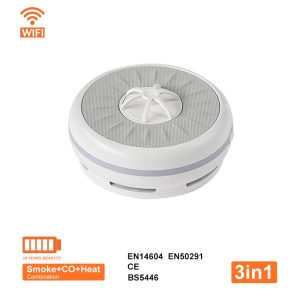
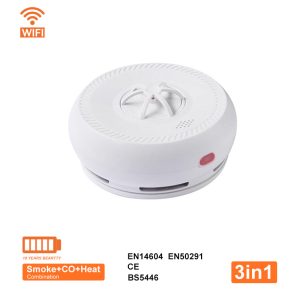
Smoke detectors alert to fire by sensing smoke particles, while carbon monoxide (CO) detectors detect the odorless, poisonous CO gas from fuel-burning appliances; they use different technologies (optical/ionization vs. electrochemical) and detect separate dangers, so you need both for comprehensive home safety, often available as 2-in-1 units. Anka Security will provide you with a detailed explanation of the comparison between the two.

Smoke Detector Alarms
What it detects: Smoke from fires.
How it works: Uses ionization or photoelectric sensors to detect smoke particles in the air.
When it sounds: Immediately upon sensing smoke, signaling a fire hazard.
Alarm pattern: Typically a continuous, piercing series of beeps (often three short beeps).

Carbon Monoxide (CO) Detector Alarms
What it detects: Carbon monoxide, a tasteless, odorless, deadly gas from faulty appliances (furnaces, stoves, cars).
How it works: Uses electrochemical sensors to measure CO levels over time.
When it sounds: After CO reaches a dangerous concentration, indicating poisoning risk.
Alarm pattern: Often a different pattern, like four beeps, but also a loud, piercing sound.

Key Differences & Why You Need Both
Different Dangers: Smoke alarms protect from fire; CO alarms protect from gas poisoning.
Different Technologies: They sense different things (smoke vs. gas).
Overlap: A fire might produce CO, but high CO levels don’t always mean smoke.
Solution: Install both or get a dual-sensor alarm for complete protection against both threats.
Placement
Smoke Alarms: In every bedroom, outside sleeping areas, and on every level.
CO Detectors: Near bedrooms and near fuel-burning appliances (avoiding vents/windows).