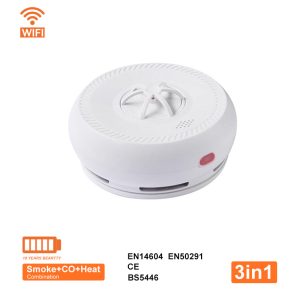
Wound smoke detectors are considered superior to wireless smoke detectors because they are more reliable and provide a more stable power supply through a hardwired connection to the building’s electrical system. They are also often interconnected, meaning that if one alarm detects smoke, all alarms in the building will sound simultaneously, providing a more effective early warning system, especially in larger properties.

| Features | Wound Smoke Detectors | Wireless Smoke Detectors |
|---|---|---|
| Power Supply | Connects to the home’s main power supply and comes with a backup battery to ensure continuous power. | Relies on batteries or a combination of batteries and main power. Battery monitoring and replacement are required. |
| Reliability | More reliable because they are less susceptible to battery failure. | Reliability may be lower if the battery is not maintained or the wireless signal is interfered with. |
| Interconnectivity | Alarms are physically connected, so when one goes off, all alarms in the building will go off. | Wireless interconnection is possible, but reliability may be lower than a hardwired system and it may be affected by signal interference. |
| Installation | Requires complex and expensive professional installation, often involving electrical work. | Installation is quick and easy, requiring no complex wiring. |
| Flexibility | Limited flexibility after installation; difficult to relocate or add new alarms. | More flexible, allowing for easy addition of new alarms and placement in locations without existing wiring. |
| Cost | Initial installation costs are higher due to labor and material costs. | Initial installation costs are lower due to ease of installation. |