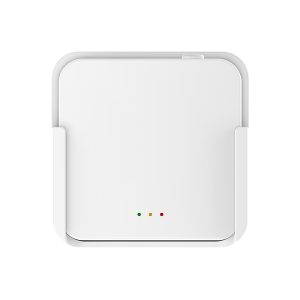
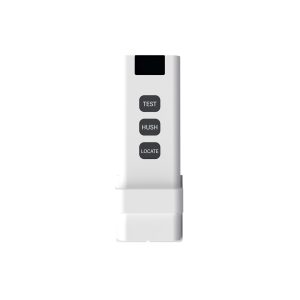
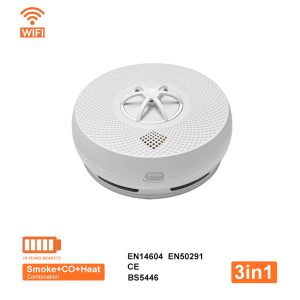
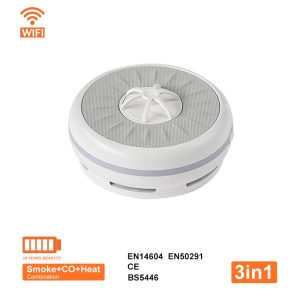
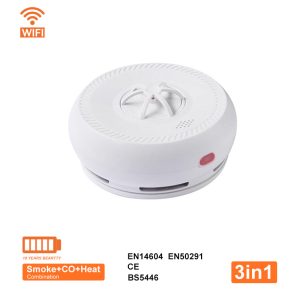
Globally, the wholesale sale of smoke detectors must comply with relevant regulations, as each country has strict standards and rigorous oversight to ensure fire safety in residential and commercial buildings,Anka Security shares global regional compliance requirements for smoke detectors for suppliers purchasing smoke detectors in wholesale.

Smoke alarm compliance
North American
Smoke detector compliance is largely governed by the National Fire Protection Association (NFPA) 72 code and UL 217 standards, which mandate specific placement, technology, and power requirements to improve fire safety and reduce false alarms. The core requirement is to have interconnected, hardwired, and battery-backed alarms on every level, inside every bedroom, and outside sleeping areas.
Australian
Homes must have working smoke alarms, with regulations generally requiring them to be photoelectric, installed on every level, and positioned near bedrooms. While specific rules vary by state, all, especially in QLD, are transitioning toward mandatory interconnection and hardwiring by 2027. Compliant alarms must meet the AS 3786-2014 standard.

European
European compliance for smoke detectors centers on the EN 14604 standard, which is mandatory for CE/CPR marking, ensuring devices meet specific life-safety performance criteria. Devices must have a 10-year lifespan, an 85dB alarm, a test button, and a low-battery warning. While EN 14604 is universal across the EU, specific installation laws vary by country.
Smoke Detector Alarm Usage Recommendations
Location: Install on each floor, outside each sleeping area, and inside all bedrooms.
Type: Photoelectric alarms are generally recommended or required to reduce false alarms.
Lifespan: All smoke alarms must be replaced within 10 years of the manufacturing date.
Power Supply: Depending on local regulations (e.g., Victoria, Australia), a hardwired connection to mains power may be required, but newer alarms are increasingly required to use 10-year lithium batteries.
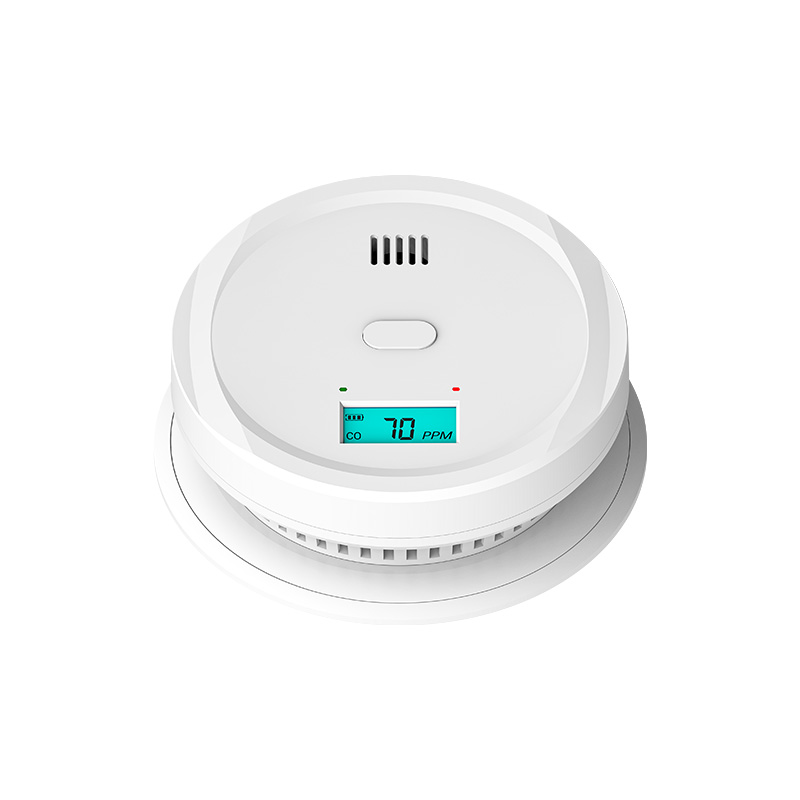
Maintenance: Perform annual testing and cleaning to ensure proper functioning.
Wholesaling smoke detectors requires strict compliance because they are classified as life-safety devices. Compliance ensures that the products are reliable, effective in emergencies, and legally permissible for installation in residential or commercial buildings.