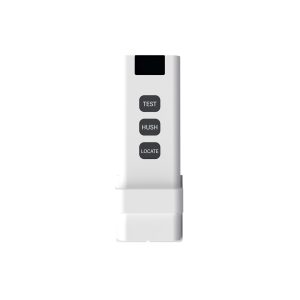
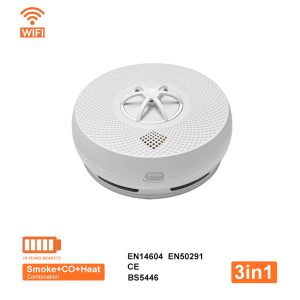
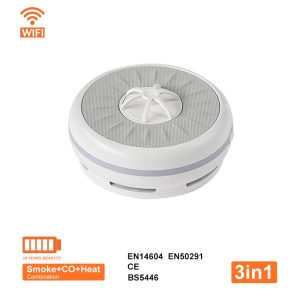
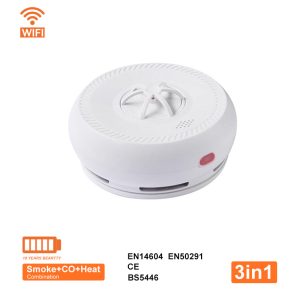
Anka Security believes that bulk procurement of heat detectors requires careful planning to ensure safety compliance, cost-effectiveness, and operational reliability. Key precautions include verifying certifications (such as BS5446 certification), selecting the correct type (constant temperature or rate-of-heating), and ensuring compatibility with existing systems.

A heat alarm (commonly known as a heat-sensing fire detector or temperature sensor) is a fire safety device that detects signs of fire by monitoring changes in ambient temperature. It triggers an alarm when the temperature in the detection area rises to a predetermined threshold or the rate of temperature rise exceeds a set level.
In the initial stages of a fire, combustion releases a large amount of heat, at which point the thermal detector can effectively sense a rapid rise in ambient temperature. It is a key sensory organ in intelligent fire protection systems.
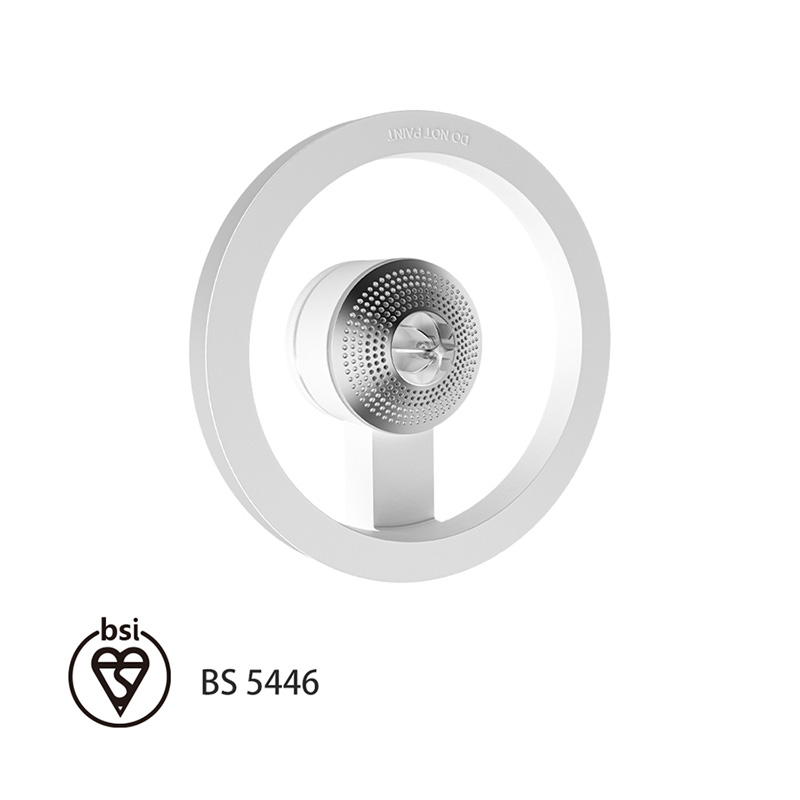
Product Standards and Certifications:
Compliance Verification: Ensure all equipment complies with mandatory national or international safety standards (e.g., BS5446, IEC60751, or UL certification).
Certification Number Verification: Independently verify the certification numbers provided by the supplier with issuing bodies (e.g., TÜV, UL).
Supplier Due Diligence:
Warranty and Support: Confirm that the supplier provides comprehensive warranty and after-sales technical support.
Sample Testing: Request samples from the supplier for testing and approval before finalizing the bulk order.
Technical Specifications and Compatibility:
Operating Temperature: Select alarms with a rated operating temperature 20°C higher than the expected maximum ambient temperature to avoid false alarms (kitchens/garages are typically around 175°C).
Determine Usage Areas: Use thermal detectors in areas prone to dust or smoke (e.g., kitchens, garages), as smoke detectors are prone to false alarms in these areas.
System Integration: Ensure compatibility with existing fire alarm control panels. Check if hard-wired connections and backup batteries are required, or if a wireless interconnection model is needed.

Regarding Logistics and Packaging:
Check Production Date: Thermal detectors have a limited lifespan, typically 10 years. Ensure bulk inventory is not expired.
Packaging: Verify that packaging includes multilingual instructions and necessary compliance markings.
Contract Terms: Include clauses in the contract regarding penalties for delayed delivery or non-conforming goods.