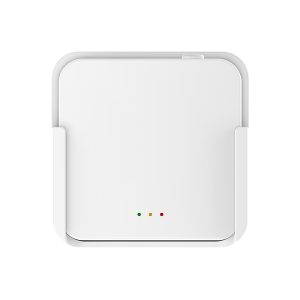
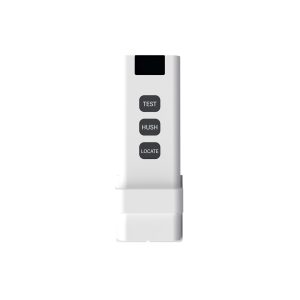
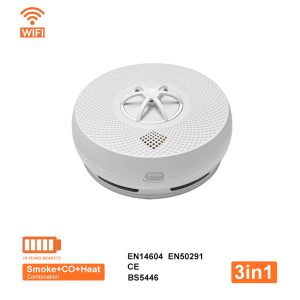
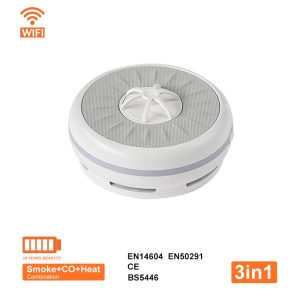
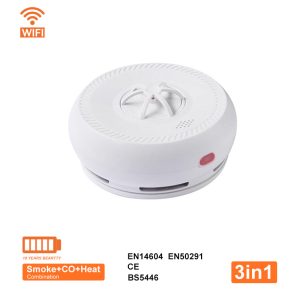
When purchasing carbon monoxide (CO) and smoke detectors in bulk, Anka Security recommends prioritizing products that have obtained UL or ETL certification. We advise selecting models equipped with sealed 10-year lithium batteries to minimize maintenance costs, and giving preference to smoke detectors that utilize photoelectric sensing technology. Furthermore, it is essential to ensure that the products comply with all local regulatory requirements; prioritize CO sensors based on electrochemical principles, carefully verify the manufacturing dates of the products, and compare bulk purchasing quotes from various reputable brands.

Anka Security shares key considerations for the bulk purchase of carbon monoxide and smoke detectors:
Safety Certification: Ensure that all devices have been certified by nationally recognized testing laboratories (such as UL Solutions or ETL).
Functionality and Integration:
Interconnected Devices: Select devices that support interconnection capabilities, allowing all alarms to respond simultaneously when a single unit triggers an alert, thereby ensuring safety throughout large properties.
Combination Detectors: For a balance of convenience and regulatory compliance, consider using combination detectors that integrate both carbon monoxide and smoke detection functions.
Digital Display and Memory Functions: Devices featuring a digital display (to show current carbon monoxide levels) and memory functions—such as peak concentration recall—offer enhanced convenience.

Sensor Technology:
Carbon Monoxide (CO) Sensors: Electrochemical sensors are recommended for accurate and rapid detection.
Smoke Sensors: Photoelectric sensors are best suited for detecting smoldering fires.
Power Source: For residential properties, devices equipped with sealed 10-year lithium batteries are highly recommended to minimize maintenance requirements and battery replacement costs.
Regulations and Codes: Consult local and state regulations; codes typically mandate the installation of detectors on every floor of a building, near all bedrooms, and within a 10-foot radius of any bedroom.
End-of-Life Monitoring: It is advisable to select alarms that feature an “end-of-life” warning indicator; generally, carbon monoxide detectors require replacement every five years, while smoke detectors should be replaced every ten years.