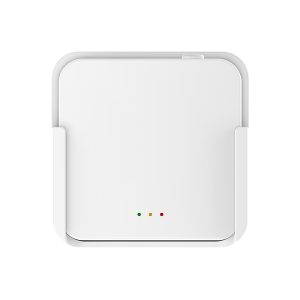
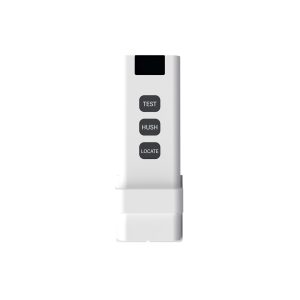
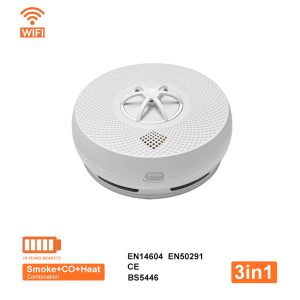
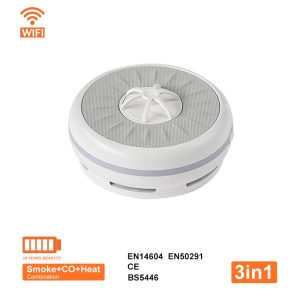
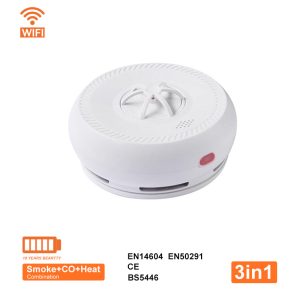
Yes, smoke and heat alarms are recommended to be interlinked, and in some locations, such as Scotland, they are legally required to be interlinked. Interlinking ensures that if one alarm is triggered, all other alarms in the home will sound, providing an earlier warning and more time to escape. This applies to all smoke and heat alarms, which should also be installed in specific locations, including a heat alarm in the kitchen.

Why interlinking is important
Early warning: When an alarm is triggered by fire or smoke, an interlinked system causes all alarms throughout the house to sound, immediately alerting everyone, regardless of where they are.
Increased safety: This early and widespread warning can significantly reduce the risk of injury or death by giving people more time to escape a fire.

Installation requirements
Interlink all alarms: All smoke and heat alarms in the home must be interlinked.
Place heat alarm in the kitchen: A heat alarm is required in the kitchen, interlinked with the smoke alarms in other parts of the house.
Mount on the ceiling: Both smoke and heat alarms should be mounted on the ceiling for optimal performance, with specific guidance on placement from the manufacturer.
Consider CO detectors: If you have a carbon-fuelled appliance (like a boiler, fire, or heater), you also need a carbon monoxide (CO) detector in the same room. These do not need to be linked to the fire alarm system.