What Is Carbon Monoxide (CO)?
CO is a poisonous, colorless, odorless gas that stops your blood from carrying oxygen. Well-maintained, properly ventilated gas appliances make little CO. But high levels happen if:
- Your appliance is faulty or poorly maintained.
- The flue (exhaust pipe) is blocked (partially or fully).
- The appliance isn’t in a ventilated area.

About Electrochemical Sensor CO Alarms
These are the most common CO alarms. They work when CO reacts with a chemical inside to create an electric current—this triggers the alarm. They activate at specific CO levels and times (check your alarm’s manual for details).
CO is slightly lighter than air, so air currents change room CO levels—this affects when the alarm goes off.
Key Facts About Electrochemical CO Alarms
- Limited lifespan: 2–7 years (depends on heat, humidity, dust, battery, and CO exposure).
- End-of-life alerts: Some show visual/audible warnings when the sensor expires (best type); others only list a use-by date.
- No regular maintenance: Pre-calibrated—just clean the outside case and keep front vents clear.
How Well Do CO Alarms Work?
CO alarms only detect CO—not smoke, fire, or other gases.
Performance drops if:
- Gas appliances spill fumes or reverse-flue (from wind gusts, cold/humid flue air, or exhaust fans creating negative pressure).
- You run multiple gas appliances without more ventilation.
- Flueless gas appliances run too long.
- Other CO sources (e.g., a car idling in an attached garage) are present.
Where to Install CO Alarms at Home
Alarms only sense CO at their sensor—room levels may differ. Follow these rules:
Do:
- Put alarms in/near every room with a gas heater (follow manufacturer’s placement guide).
- If a room has a partition, place the alarm on the same side as the gas heater.
- Install in/near bedrooms (or occupied rooms far from heaters) close to where people breathe (e.g., bedhead).
- Make sure alarms are audible from all sleeping areas.
Don’t:
- Near gas cookers (causes false alarms).
- Where temperatures are outside the alarm’s range (check manual).
- Where dirt/dust blocks the sensor.
- In damp areas (e.g., above sinks) or cupboards.
- Behind curtains/furniture or in dead air (vaulted ceiling peaks).
- Near doors/windows (draughts) or ceiling fan turbulence.
- In high/low humidity areas (hurts battery life).

How to Care for Your CO Alarm
CO alarms are for indoor use only. Keep them working:
- Dust regularly (don’t use cleaners/solvents/aerosols—they damage the sensor).
- Don’t paint them (seals vents and blocks CO detection).
- Keep vents unobstructed (CO needs to reach the sensor).
- Don’t knock/drop them—tampering causes malfunctions.
- Stop kids from playing with them.
Standards & Buying Tips for CO Alarms
Australia has no national standard for domestic CO alarms. Energy Safe Australia recommends choosing alarms certified to:
- EN50291 (European standard) or UL2034 (US standard).
What to Check Before Buying
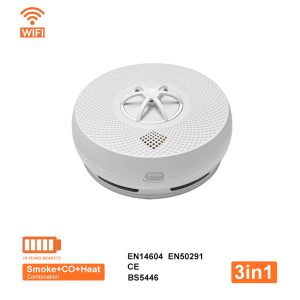
- Visual indicators for: CO alarm, fault, sensor end-of-life, power.
- Different sounds for CO alarm vs. sensor end-of-life.
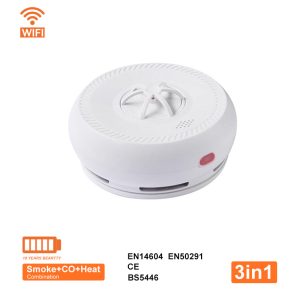
- Clear markings: Manufacturer/supplier name, model/serial number, manufacturing date, certification standard (EN50291/UL2034), mounting position (if needed), power/battery info, and max lifetime.

CO Alarm Limits You Should Know
CO alarms help reduce poisoning risk—but they’re not perfect:
- They don’t replace regular gas appliance checks (every 2 years).
- They can’t cut off your gas supply if there’s a fault.
- Lifespan, placement, and number needed affect effectiveness.
- Check batteries often and don’t use past the expiry date!