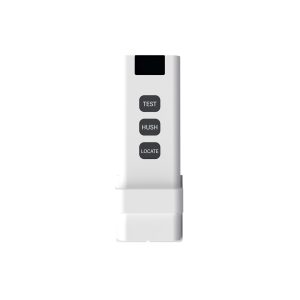
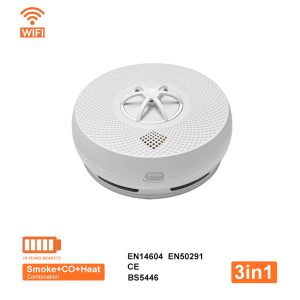
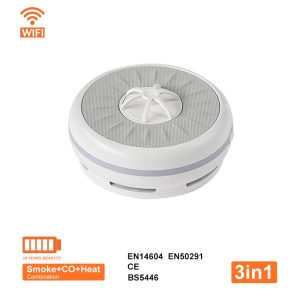
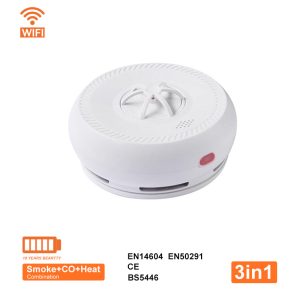
Anka’s Hardwired interconnected smoke alarms are safety devices directly wired into a home’s 120V/240V electrical system that communicate with each other, ensuring that if one alarm detects smoke or fire, all units in the home activate simultaneously. They include a battery backup for functionality during power outages.

Key Aspects of Hardwired Interconnected Smoke Alarms:
System Operation: They are physically linked together, usually via a dedicated wire (often orange) that triggers a signal to other units when one detects a threat.
Benefits:
Simultaneous Alert: If a fire starts in the basement, an alarm in the bedroom will also sound, providing better, faster warning.
Reliability: Direct, permanent connection to the home’s power reduces the risk of battery failure, with battery backups providing redundancy.
Capacity: Often, up to 12 or more units can be linked together.
Installation: These systems require installation by a professional electrician to connect to the household electrical wiring.
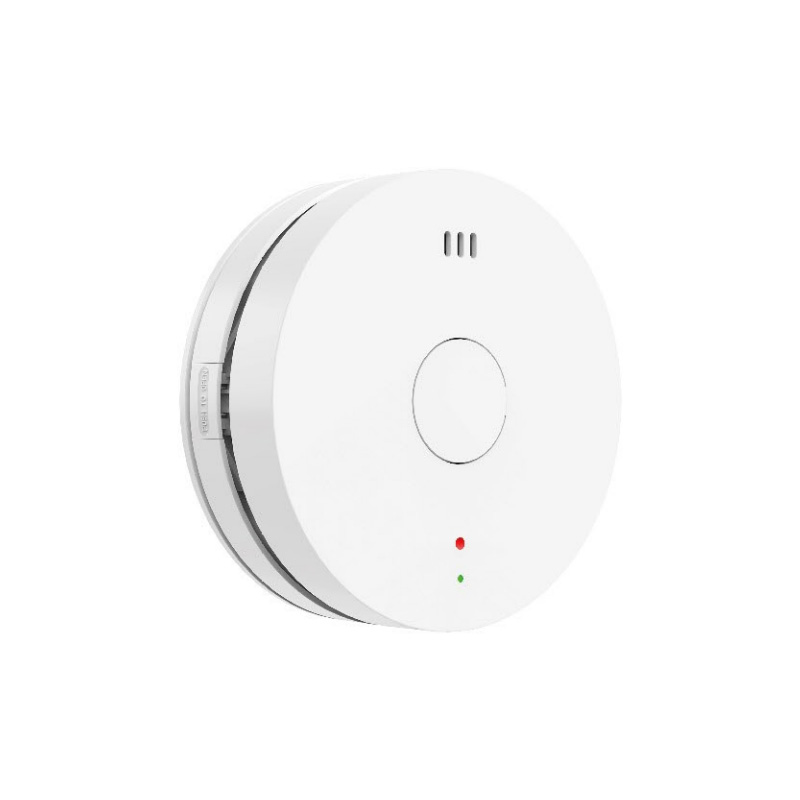
Installation and Compatibility for hardwired interconnected smoke alarms:
Replacement: When replacing, it is highly recommended to stick with the same brand to avoid compatibility issues.
Components: Many new units include adapters to fit existing wiring harnesses from older models.
Best Practice: Place alarms on every level, inside bedrooms, and outside sleeping areas.
Top Recommended Models About Hardwired interconnected smoke alarms:
First Alert SMI105-AC/SMI100-AC: Reliable, modern units with 10-year battery backups.
Kidde i12040: Common AC hardwired choice.
First Alert Wireless Interconnect (SA521CN): Bridges hardwired and battery-operated systems.