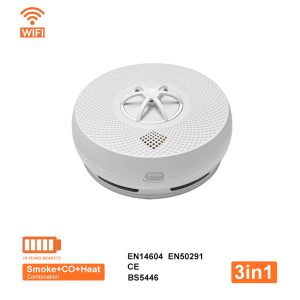
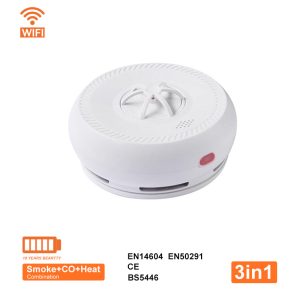
Smoke alarms are more practical for general safety because they detect fires faster, but heat alarms are necessary for specific, high-contamination areas like kitchens and garages. Smoke alarms save lives by detecting smoke early in sleeping areas, while heat alarms prevent false alarms from steam or dust.
Smoke detectors (using optical or ionization sensors) detect airborne particles to provide early warning of fires, making them essential for life safety in living areas. Heat detectors (thermal sensors) trigger only when temperatures hit high, fixed levels or rise rapidly, preventing false alarms in kitchens, garages, or dusty, damp areas.

Key Comparison & Practical Use of Heat alarm and smoke alarm
Smoke Alarms (Highest Practicality): These are essential for early detection in bedrooms, hallways, and living rooms, as they identify smoldering fires long before high temperatures occur.
Heat Alarms (Specific Utility): Ideal for areas where smoke alarms create false alarms, such as garages (dust/fumes), kitchens (smoke/steam), and laundry rooms. They detect rapid rises in temperature, typically triggering above 57°C (135°F).
Best Strategy: Combine both. Install smoke alarms for maximum life safety and heat alarms in high-fume areas to avoid false alarms, explains FireChief.

What is the difference between a heat detector and a smoke detector
Smoke Detectors: Designed to save lives by detecting smoke early, particularly from smoldering fires. They are required in bedrooms and living areas.
Heat Detectors: Designed for property protection in areas where smoke detectors cause false alarms, such as kitchens, laundry rooms, and garages.
Detection Method: Smoke detectors detect particles of combustion, while heat detectors only respond to increased thermal energy.
Response Time: Smoke detectors are generally faster at detecting fires, while heat detectors are slower and only activate when the fire is more developed.
Wholesale purchasing of smoke detectors requires prioritizing certified safety standards (UL217/NFPA72/AS3786/EN14604), selecting appropriate technology (photoelectric vs. ionization), and sourcing from reputable distributors like ANKA or direct manufacturers for volume discounts. Key factors include checking for 10-year sealed batteries, assessing wireless interconnection, and ensuring compatibility with existing systems.