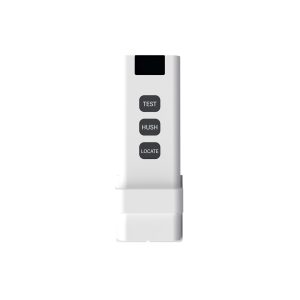
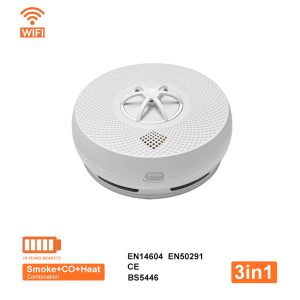
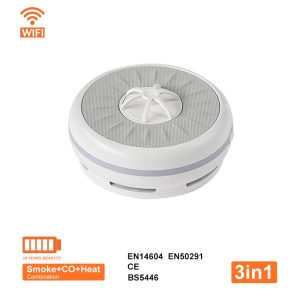
Photoelectric smoke alarms are interconnected, meaning when one detects smoke and sounds, they all sound, primarily through wireless radio frequency (RF) signals or, less commonly now, by physical wiring, allowing them to form a network that alerts the entire home to a fire, regardless of location, enhancing safety by eliminating blind spots.

How Wireless Interconnection Works:
RF Pairing: Alarms wirelessly “pair” or connect with each other using specific radio frequencies, much like Bluetooth devices.
Mesh Network: They often form a mesh network, where each alarm sends, receives, and re-sends signals, ensuring the alert reaches all units even if one is obstructed.
Signal Transmission: When one alarm detects smoke, it sends a signal to all other paired alarms, causing them to sound in unison.
Location Identification: Many systems identify which specific alarm was triggered, often by voice or flashing lights, indicating the fire’s location.
No Home Wi-Fi Needed: These systems create their own independent network, not relying on your home’s Wi-Fi.

How Wired Interconnection Works:
A licensed electrician physically wires the alarms together using specialized signal lines (not necessarily the power circuit), ensuring they trigger simultaneously.
Key Benefits Of Photoelectric Smoke Alarms:
Whole-Home Alert: Ensures you hear an alarm from any room, basement, or floor, addressing the limitation of single alarms only sounding in their immediate vicinity.
Flexibility: Wireless options allow for easier installation in complex layouts without new wiring.