Quick Answer: The NFPA Standard
You need a smoke alarm in EVERY bedroom, OUTSIDE each sleeping area, and on EVERY level of the home, including the basement.
The Golden Rule: Number and Placement
The National Fire Protection Association (NFPA) sets the benchmark for home fire safety. Their clear, non-negotiable standard covers how many smoke alarms in house you should have and where to place them.
Real-World Example
A two-story home with three bedrooms and a basement would need a minimum of six alarms:
- One in the basement
- One on the main living level
- One in the hallway outside the three bedrooms
- One inside EACH of the three bedrooms
Key Locations for Smoke Alarm Placement
- Inside Bedrooms: A closed door can block smoke. An alarm inside ensures the sleeper is awakened directly.
- Hallways Outside Sleeping Areas: This catches smoke early, before it reaches the bedrooms.
- Every Level: Fires can start anywhere. An alarm on each floor ensures the earliest possible warning.
- Living Areas: Install at least one on each level in common spaces.
Locations to Avoid
- Within 10 feet of cooking appliances (to prevent nuisance alarms)
- Near bathrooms with showers (steam can trigger false alarms)
- Near HVAC vents, windows, or ceiling fans where drafts could delay smoke detection

Beyond Quantity: Types of Smoke Alarms
Simply counting alarms isn’t enough. You need the right type for the right location.
| Type | Best For | Response Time |
|---|---|---|
| Ionization Alarms | Fast-flaming fires (paper, grease) | Faster response to flaming fires |
| Photoelectric Alarms | Smoldering fires (cigarettes, electrical) | Faster response to smoky fires |
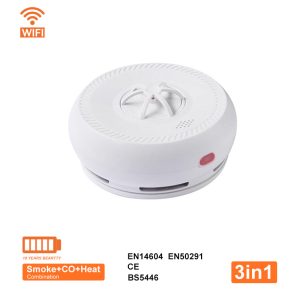
| Combination Alarms | All types of fires | Best overall protection |
Expert Recommendation
Use combination alarms that feature both ionization and photoelectric sensing, or install both types throughout your home. Many experts recommend photoelectric alarms for outside bedrooms and in hallways, as they are less prone to nuisance alarms from cooking.

Essential Maintenance: Your Alarms Are Useless If They Don’t Work
Proper maintenance is as important as proper installation when considering how many smoke alarms do I need to maintain.
- Test Monthly: Press the “test” button on every alarm
- Change Batteries Twice a Year: A perfect reminder is when you change your clocks for Daylight Saving Time
- Replace Entirely Every 10 Years: Check the manufacturing date on the back
- Keep Them Clean: Gently vacuum alarms every six months to remove dust

Frequently Asked Questions
Q: Do I need smoke alarms in every bedroom?
A: Yes! NFPA standards require a smoke alarm in every bedroom, outside each sleeping area, and on every level of the home.
Q: What’s better: battery or hardwired smoke alarms?
A: Hardwired alarms with battery backup are best, as they’re interconnected (when one sounds, all sound) and have backup power. However, properly maintained battery-only alarms are still effective.
Q: How high should I install smoke alarms?
A: On the ceiling, at least 4 inches from the wall, or on the wall 4-12 inches from the ceiling. Avoid corners where air doesn’t circulate well.