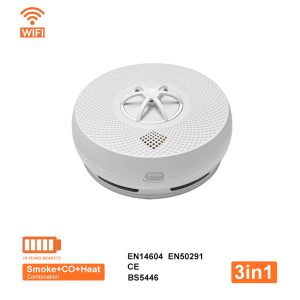
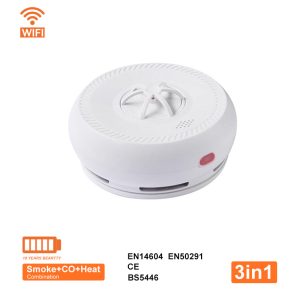
Anka Security believes that smoke detectors should be replaced at least every 10 years from the date of manufacture. Even if the detector appears to be working properly, its sensors will age over time, resulting in decreased sensitivity and reliability after ten years.

Why Replace Smoke Detectors Every 10 Years:
Smoke detectors should be replaced every 10 years because the sensors they use to detect smoke and fire age over time, with sensitivity and reliability declining after about ten years. Even if the detector passes a manual test (it beeps when the button is pressed), its ability to detect smoke, especially in slow-burning fires, will be significantly reduced.

Key Replacement and Maintenance Guidelines for Smoke Detector Alarms:
Check the Date: Check the manufacturing date on the back of the alarm. If it’s over 10 years old, replace it immediately.
Hardwire-Connected Alarms: These alarms must also be replaced every 10 years. Even if connected to the house’s electrical system, they cannot last indefinitely.
Smoke/Carbon Monoxide Combination Alarms: These alarms typically have a shorter lifespan and should be replaced every 5 to 7 years.
Replace the Battery: If your alarm uses a standard 9-volt battery, replace it at least annually. If your alarm uses a 10-year lithium battery, replace the entire unit when the battery is depleted or reaches its 10-year lifespan.
Monthly Testing and Cleaning: Test your smoke alarm monthly by pressing the test button. Use a vacuum cleaner attachment to remove dust to prevent malfunctions.

Key Features of Anka 10-Year Smoke Detectors:
Long-Life Battery: Built-in DC 3V lithium batteries provide 10 years of continuous operation, saving on maintenance and battery costs.
Sensor Technology: Most models use highly sensitive photoelectric sensors to detect smoke from slow-burning, smoldering fires.
Minimized False Alarms: Many models (e.g., AJ-770, AJ-773) use dual-sensor or “dual tube” technology to distinguish between cooking smoke and real fire hazards.
Alarm Sound: Features a powerful 85 dB alarm at 3 meters.
Installation: Simple, often tool-free installation using magnetic pads or screws.
Certifications: Products are generally certified to European (CE EN14604), Australian (AS3786), or UL standards.
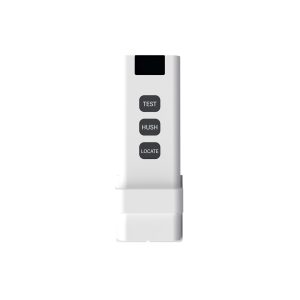
Functionality: Includes large buttons for testing and silencing (hush mode) and low battery warnings.