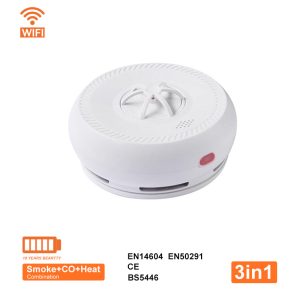
Anka Security recommends that smoke alarms should be tested at least once a month by pressing the test button to ensure the siren, power source, and sensors are functioning properly. In addition to monthly checks, you should replace batteries at least once a year and replace the entire unit every 10 years.

Why Should You Test Your Smoke Detectors Once a Month:
Ensures Device Functionality: Monthly tests confirm that the battery is charged and the siren works, preventing failure when needed most.
Identifies Sensor Issues: Over time, dust, debris, or insects can build up, causing the alarm to malfunction or create false alarms. Regular testing can identify these issues.
Verifies Battery Health: Even hardwired detectors have backup batteries that can fail. Monthly checks ensure they can handle a power outage.
Saves Lives: Working smoke alarms provide essential time for a safe escape, which is crucial as you may have less than 2 minutes to escape a home fire.

Additional Precautions Regarding the Use of Smoke Detectors:
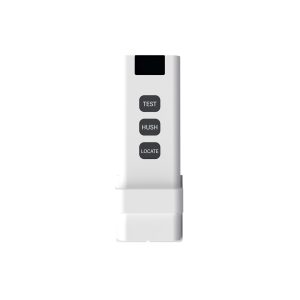
Monthly Testing: Push the test button until the alarm sounds.
Battery Replacement: Change batteries at least annually, or immediately if the unit “chirps”.
Deep Cleaning: Gently vacuum or dust alarms monthly to remove cobwebs and debris.
Unit Lifespan: Replace smoke alarms every 10 years from the date of manufacture.
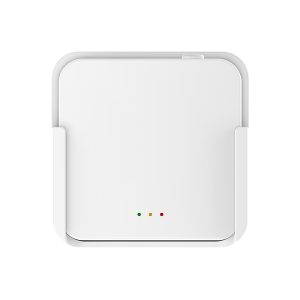
Interconnected Systems: For the best protection, use interconnected alarms so that if one sounds, they all sound.

Recommend the Best Smoke Detectors with a 10-Year Lifespan:
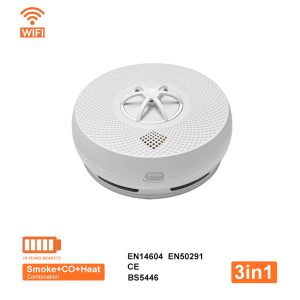
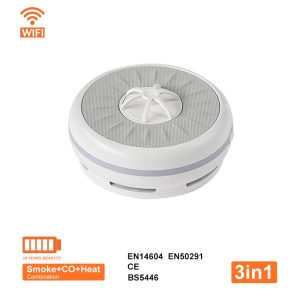
The Anka AJ76X Series Smoke Alarms (including models such as AJ-760 through AJ-765) are photoelectric smoke detectors specifically designed for home safety. Distinguished by their ultra-long 10-year battery life and wireless interconnectivity features, this series is capable of triggering a synchronized, whole-house alarm—activating every connected unit simultaneously—the moment a potential fire hazard is detected (the “One Go, All Go” principle).