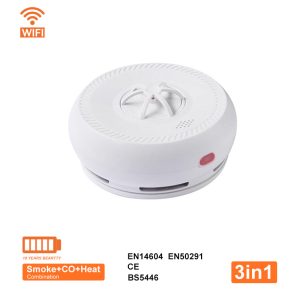
Test your smoke alarms monthly by pressing and holding the test button for 5–10 seconds until a loud, piercing siren sounds. If the sound is weak or nonexistent, replace the batteries or the entire unit. For hardwired or interconnected systems, verify that all alarms in the house sound when one is tested.

Step-by-Step Testing Procedures:
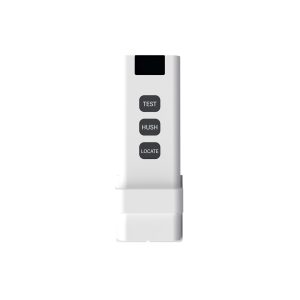
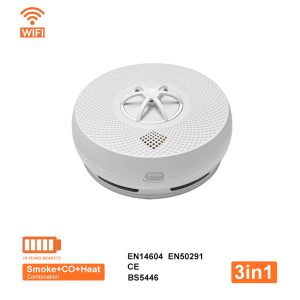
Initial Check: Locate the button labeled “Test” or “Hush” on the alarm’s cover.
Action: Firmly press and hold the button for 5 to 10 seconds.
Verification: A loud,, ear-piercing siren should sound, confirming the battery, sensor, and circuit are functioning.
Interconnected Systems: If you have multiple alarms, check that triggering one activates all others in the home.
Hard-to-Reach Alarms: Use a broom handle to push the test button if the unit is on a high ceiling.
Why test a smoke detector alarm?
Anka believes that testing smoke detectors is the only way to ensure their sensors, batteries, and alarms are functioning properly in critical moments. Regular testing prevents unexplained battery depletion, removes dust clogging sensors, and helps all family members become familiar with the alarm sound so they know how to respond.
Anka shares the following key reasons for testing alarms:
Verifying Security: Confirming that internal sensors and batteries are working correctly ensures a reliable alarm in the event of a fire.
Familiarizing Family Members with the Alarm: Making the alarm sound familiar to all family members avoids confusion or panic in an emergency.
Checking for Faults: Preventing hidden faults caused by dust, moisture, or unnoticed power outages.
Diagnosing Maintenance Needs: Testing helps identify low-power batteries or aging equipment emitting intermittent beeps for timely replacement.

Maintenance and Safety Tips:
Frequency: Test all smoke alarms at least once a month.
Cleaning: Vacuum or dust your smoke alarms every six months to prevent false alarms.
Battery Replacement: If the alarm chirps regularly, replace the battery immediately.
Lifespan: Replace all smoke alarms entirely every 10 years, as the sensors expire.
Safety Precaution: Do not remove batteries to stop false alarms; clean them or replace the unit instead.