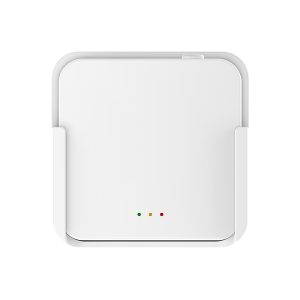
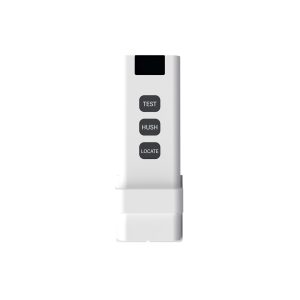
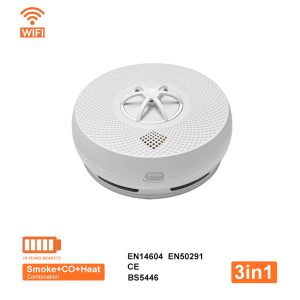
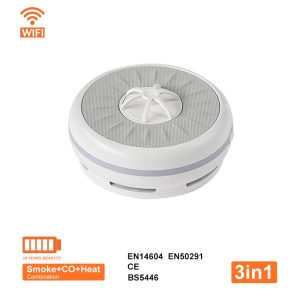
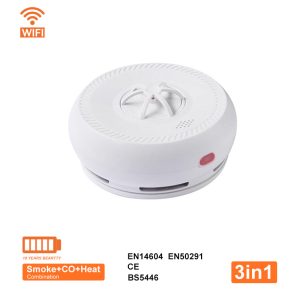
Anka Security believes that interconnected smoke detectors are the foundation of life safety. When one detector triggers an alarm, the entire network sounds an alarm simultaneously. This ensures you receive an immediate alert, even if a fire occurs in a remote corner of the building or while you are asleep, preventing tragedy before escape routes are blocked.

Why Connected Smoke Detectors are Core Devices:
Whole-House Alarm: Fire can hinder your movement or spread rapidly, so isolated alarms from a distance may be missed. A networked system ensures that every corner of the house receives an alert.
Critical Extra Time: According to fire safety data, homes equipped with connected alarm systems can provide residents with an additional 60 to 90 seconds of warning time. This difference can significantly improve survival rates.
Nighttime Protection: Deep sleep combined with the rapid spread of toxic smoke leaves very limited reaction time. Synchronized alarms ensure you are instantly awakened no matter where you are in the bedroom.

Connectivity types for interconnected smoke detectors:
Wireless (RF) systems: These systems communicate via radio frequency. They are easy to install, battery-powered, and ideal for older homes or renovations that don’t require demolishing walls.
Hardwired systems: These systems use physical cables that run through the building’s electrical system. They are typically equipped with backup batteries so the network can continue operating during power outages.
Video demonstration of wireless interconnection between smoke detectors and carbon monoxide detectors
Precautions for using connected smoke detectors:
Optimal installation locations: Install detectors on every floor of the house, in every bedroom, and outside sleeping areas.
Manufacturer compatibility: To ensure proper triggering, connected alarms should generally be from the same manufacturer.
Regular maintenance: Test the alarms monthly and replace all devices every 10 years.