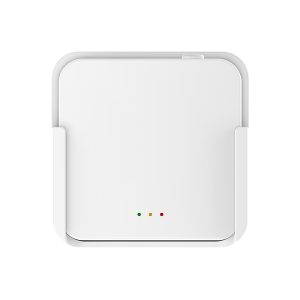
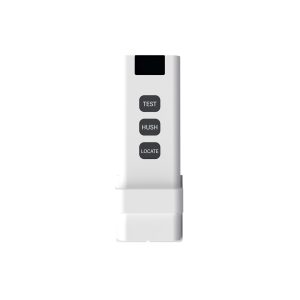
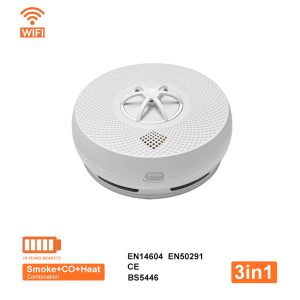
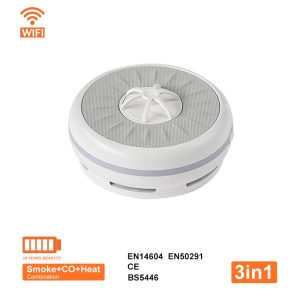
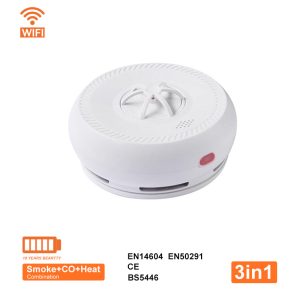
Yes, Wired (hardwired) smoke detectors are generally considered better for home safety because they connect directly to your electrical system, usually feature 10-year battery backups, and are often interconnected so all alarms sound simultaneously. They offer higher reliability, working in 94% of fires, compared to 82% for battery-only units.

Why Wired Smoke Detectors are Better:
Interconnectivity: If one alarm detects smoke, all units in the house sound, providing earlier warning.
Constant Power: They run on house power, reducing the risk of dead battery failures, while still having a backup battery for power outages.
Code Compliance: Many modern building codes require hardwired, interconnected smoke alarms.
Lower Maintenance: No need to replace batteries annually, though they should still be tested regularly.
Considerations for Battery-Powered Units:
Easier Installation: Ideal for older homes or DIYers as they do not require electrical wiring.
Flexibility: Can be placed anywhere without restrictions.

Key Installation Precautions for wired smoke detector:
Electrical Safety: Turn off the power at the circuit breaker panel before beginning work and verify with a voltage tester.
Wiring Requirements: Use a dedicated 24-hour circuit that cannot be turned off by a wall switch.
Interconnection: For maximum safety, hardwire detectors together so that if one sounds, all others in the home trigger. This typically requires a three-wire cable.
Optimal Placement:
Ceiling: Preferred location, ideally in the center of the room, or at least 10 feet (3 meters) away from cooking appliances.
Walls: If wall-mounted, place them within 12 inches of the ceiling.
Avoid: Near windows, doors, or air ducts where drafts can interfere with smoke detection.
Components: Ensure the electrical box is securely installed between joists.
Backup Power: Ensure the battery backup is installed for power failures.
Final Steps: Do not paint over or place stickers on smoke detectors, as this can hinder their function. Test the system monthly.
While hardwired units are superior in safety and reliability, they are more expensive to install, often requiring professional electrical work. For maximum safety, interconnected units (whether hardwired or wireless) are highly recommended.