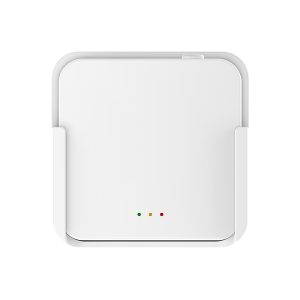
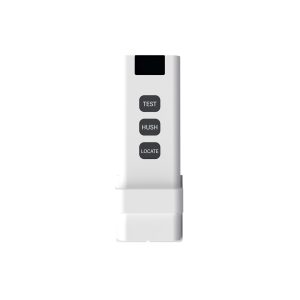
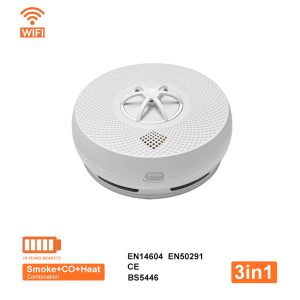
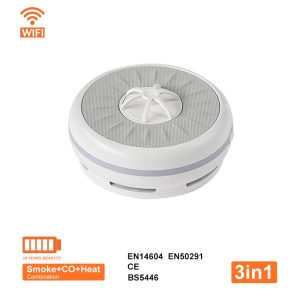
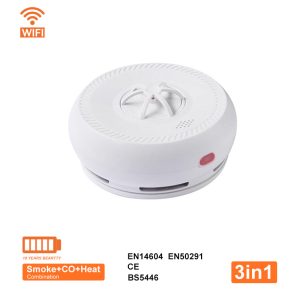
Hardwired smoke detectors are connected to your home’s main electrical system and typically include a battery backup for continuous protection during power outages. They are interconnected by wiring, so if one alarm triggers, all of them will sound. Installation should be done by a licensed electrician, as it involves working with the home’s electrical wiring.
Key features and benefits
Constant power: Hardwired detectors are reliably powered by your home’s electricity, reducing the need for frequent battery changes.
Battery backup: A battery backup ensures the alarm continues to function if the main power is cut, providing protection during a power outage.
Interconnected system: If one detector goes off, all connected detectors will sound the alarm, providing a more effective warning system throughout the house.
Professional installation: Due to the connection to the home’s electrical system, installation should only be performed by a licensed electrician.
Long lifespan: Smoke alarms, including hardwired ones, should be replaced every 10 years, or sooner if they malfunction.
Important considerations
Compatibility: When replacing an existing hardwired alarm, ensure the new unit is compatible with the existing wiring configuration, which could be series or parallel.
Maintenance: Regular maintenance is crucial. Hardwired alarms may chirp due to low backup batteries or dust accumulation, which can be addressed by a professional check and cleaning.
Types: Both standard and smart hardwired models are available. Smart models can offer additional features and connectivity.