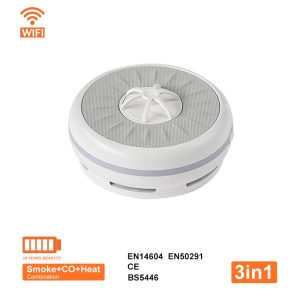
Carbon monoxide (CO) and natural gas combination alarms can simultaneously detect toxic carbon monoxide and flammable gases such as methane and propane, providing comprehensive protection with a single device. These alarms use independent sensors: an electrochemical sensor for carbon monoxide and a catalytic sensor for flammable gases, ensuring accurate alerts to danger via audible and visual alarms. They are typically plug-in devices with backup batteries, suitable for kitchens, basements, and other areas where these gases may be present.
Key Features and Benefits
Combined Detection: Detects carbon monoxide and flammable gases (such as natural gas, propane, and methane) in one device.
Dual Sensors: Reliably detects each gas using different sensor technologies (e.g., an electrochemical sensor for carbon monoxide and a catalytic sensor for flammable gases).
Audible and Visual Alarms: Illuminates the area with a loud audible alarm (typically 85 decibels) and a visual alarm to alert you to dangerous concentrations.
Plug and Play Design: Many models are easy to install, requiring only a standard wall outlet for power.
Battery Backup: Provides continuous protection during power outages.
Real-time Display: Some models are equipped with a digital display screen that shows gas concentration, temperature, and humidity levels.
Installation Notes
Carbon Monoxide Detection: Carbon monoxide has a density approximately the same as air, so the carbon monoxide detector should be installed at breathing height, such as head height, on a wall.
Natural Gas Detection: Natural gas is lighter than air. If you are installing a natural gas combination detector, it should be installed on the ceiling to ensure effectiveness.
Installation Location: Avoid installing the detector near vents, fans, doors, windows, steam, or cooking oil vapors, as these factors can interfere with the sensor’s sensitivity.