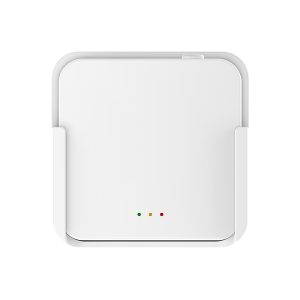
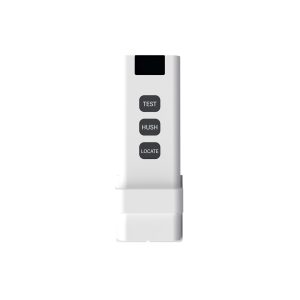
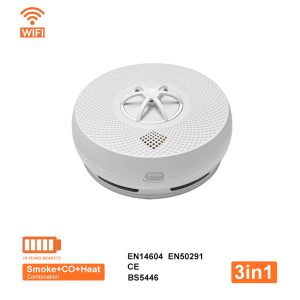
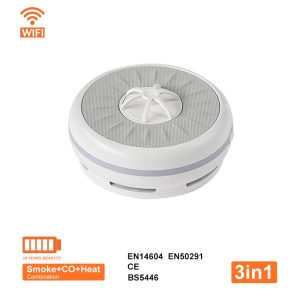
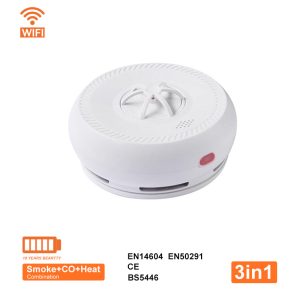
For a restaurant kitchen using natural gas (methane), you need a combustible gas detector (Natural gas detector), ideally a commercial-grade unit that can trigger alarms or shut off ventilation/gas valves, placed near the ceiling (6-12 inches down) because methane is lighter than air; ensure it detects LEL (Lower Explosive Limit) and complements CO detectors for comprehensive safety, using specific commercial units for high-moisture/dusty environments, not residential alarms.

Key Considerations Of natural gas detector
Gas Type: Natural gas (methane) is lighter than air and rises, so detectors go high; propane is heavier and pools low, requiring low placement.
Natural gas detector: Residential alarms aren’t sufficient; use units designed for commercial kitchens that handle moisture, dust, and high usage, like Macurco or Anka natural gas detector.
Dual Detection: Monitor both combustible gases (natural gas/propane) and carbon monoxide (CO) for a complete safety solution, often integrated into one system.
Placement Of natural gas detector
Natural Gas (Methane): Mount 6 to 12 inches from the ceiling, close to potential leak sources.
Propane: Mount about 1 foot from the floor.
Types of Detectors
Combustible Gas (LEL): Detects flammable gas levels (e.g., Macurco GD-6/GD-12).
Carbon Monoxide (CO): Detects toxic CO, often paired with combustible detectors.
Multi-Gas: Some units detect several hazards, including methane, CO, and oxygen depletion.
Important Note
Never use a residential CO alarm to detect natural gas; they are different gases and require specific sensors.