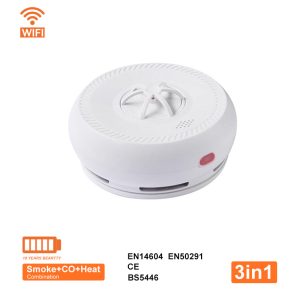
What is photoelectric smoke alarm?
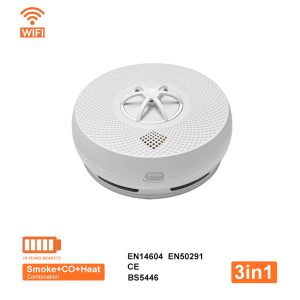
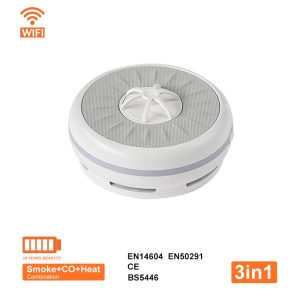
A Photoelectric Smoke Alarm uses a light beam and sensor to detect smoke, ideal for slow, smoldering fires (like furniture fires) by scattering light onto the sensor, triggering a loud alarm for escape time, and often results in fewer false alarms from cooking steam compared to ionization alarms, with combined dual-sensor models offering comprehensive protection.

How photoelectric smoke alarm works?
Normal conditions: An LED light shines away from the sensor in a chamber.
Smoke enters: Smoke particles scatter the light beam, directing some onto the sensor.
Alarm sounds: The sensor detects the scattered light, activating the high-decibel alarm.
Key characteristics of photoelectric smoke alarm
Best for: Smoldering fires (large particles) like those from upholstered furniture, mattresses, or drapes.
Fewer false alarms: Less prone to nuisance alarms from burnt toast or steam, making them good for kitchens and bathrooms.
Types: Available as standalone units or combined with ionization sensors in dual-sensor alarms for complete fire detection.

Why choose photoelectric smoke alarm?
Provides crucial early warning for slow-burning fires.
Offers better placement near kitchens and bathrooms.
Considered a balanced choice for comprehensive home safety, often recommended alongside ionization alarms.