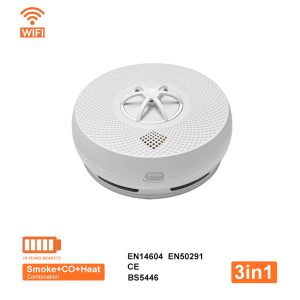
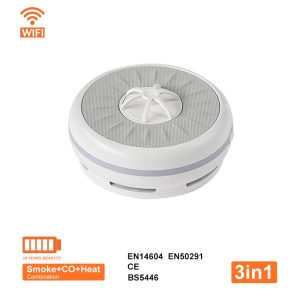
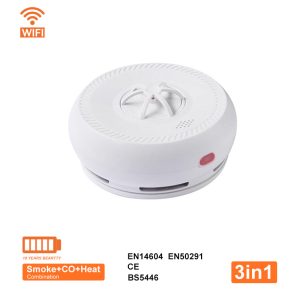
A photoelectric smoke detector is a fire safety device that uses a light beam and a sensor to detect smoke particles, particularly excelling at detecting smoldering, slow-burning fires. When smoke enters the sensing chamber, it scatters the light, causing it to hit a photodiode and trigger the alarm.

Key Features and Usage Examples of photoelectric smoke detector:
Best for Smoldering Fires: Ideal for detecting fires that start with a long, slow-burning period, such as cigarettes on upholstery or couches.
Reduced False Alarms: Less prone to false alarms from cooking steam or showers compared to ionization alarms.
Optimal Placement: Recommended for living areas, bedrooms, and near furniture, as they are faster at detecting the large smoke particles produced by household materials.
Types: Available as hard-wired (often with battery backup) or standalone units.

Key Reasons to Choose Photoelectric Smoke Detectors:
Early Detection of Smoldering Fires: These detectors are highly effective at identifying slow-burning, smoky fires—such as a cigarette on a sofa or wiring issues—which often produce large smoke particles before bursting into flames.
Reduced False Alarms: Because they are less sensitive to small particles from cooking fumes and steam, they cause fewer nuisance alarms compared to ionization detectors, meaning fewer residents disable them.
Recommended by Experts: Fire safety organizations, including many regional authorities, recommend or mandate photoelectric alarms because they provide faster warnings for the most common fatal fire scenarios.
Technological Shift: Due to their improved performance, photoelectric detectors are increasingly required by local regulations, with some jurisdictions phasing out or banning ionization-only detectors.

Considerations When Purchasing Photoelectric Smoke Detectors
When purchasing photoelectric smoke detectors, prioritize models that are UL-certified, feature 10-year sealed batteries to eliminate replacements, and are interconnected so all alarms sound simultaneously. Photoelectric sensors are best for detecting slow-smoldering fires and are less prone to false alarms from kitchen/bathroom steam.
Power Source: Choose hardwired units with battery backup for maximum reliability, or 10-year sealed battery units for easy installation.
Interconnectivity: Purchase units that are interconnected (wireless or wired) so that if one detector sounds, they all sound.
Sensor Type: While photoelectric is superior for smoldering fires, consider dual-sensor (photoelectric + ionization) for protection against both fast-flaming and smoldering fires.
False Alarm Resistance: Photoelectric detectors are less sensitive to cooking smoke, making them ideal for kitchens.
Smart Features: Consider smart detectors that send alerts to your smartphone.
Placement Strategy: Install inside each bedroom, outside sleeping areas, and on every level of the home.
Lifespan: Smoke detectors must be replaced every 10 years.