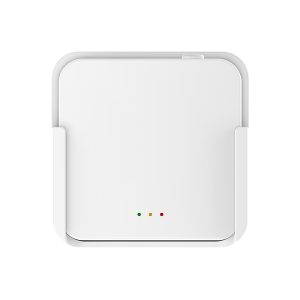
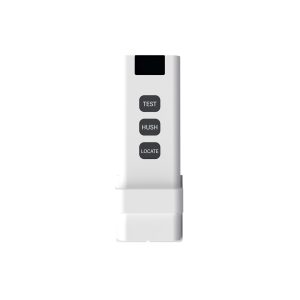
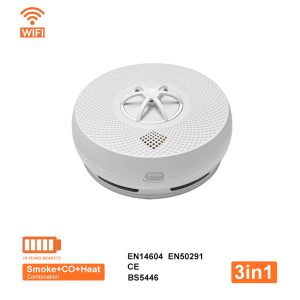
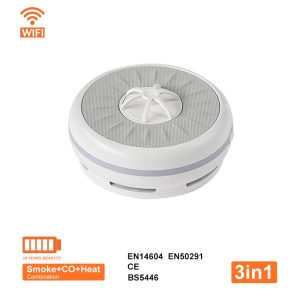
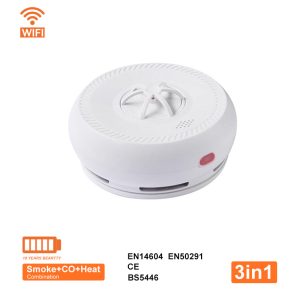
The best smoke detector for your business depends on the potential fire hazard: ionizing detectors are best suited for fast-burning fires common in offices, while photoelectric detectors excel at detecting slow smoldering fires in areas like warehouses or storage rooms. Anka Security suggests that for the most comprehensive protection, consider using dual-sensor (combined) detectors or a combination of both types in different business environments to ensure coverage of all potential fire risks.

Ionizing Smoke Detectors
Suitable for fast-burning flames
Ideal Locations: Offices, rooms with electrical equipment, or areas with little dust and no open flames.
Mechanism: These detectors use a small amount of radioactive material to ionize the indoor air. When smoke enters, it disrupts the flow of ions, triggering an alarm.
Disadvantages: Less sensitive to smoldering fires and more susceptible to false alarms from vapors or dust, making them unsuitable for kitchens.

Photoelectric Smoke Detectors:
Best for: Slow smoldering fires that produce larger smoke particles.
Ideal Locations: Warehouses, storage areas, or any place with a risk of smoldering (such as areas involving interior finishing).
Mechanism: Uses a light beam within a chamber. When smoke enters, it scatters the light onto the sensor, triggering an alarm.
Photoelectric Smoke Detectors Disadvantages: Less responsive to fast-burning flames compared to ionization-type smoke detectors.

Dual-Sensor (Combined) Smoke Detector Application Scenarios:
Best Choice: Businesses with a variety of potential fire types.
Ideal Location: A comprehensive solution suitable for virtually any commercial property.
Mechanism: Contains both ionization and photoelectric sensors to detect both fast-burning and slow-smoldering fires.
Other Considerations:
Video Smoke Detection (VSD): For large open areas such as shopping malls or warehouses, using CCTV cameras and AI software to detect smoke patterns is a good option.
Fire Risk Assessment: A professional risk assessment is the most effective way to understand specific hazards and determine the correct combination of detectors.
Local Regulations: Always check local fire safety regulations and building codes when selecting and installing the system to ensure compliance.