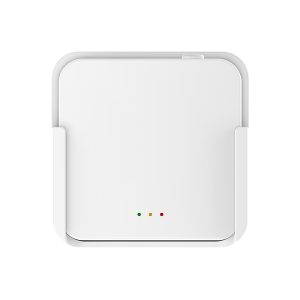
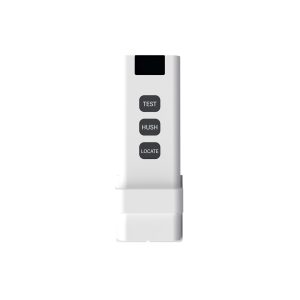
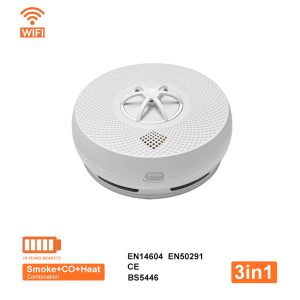
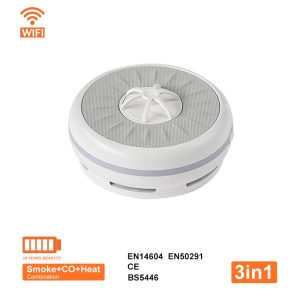
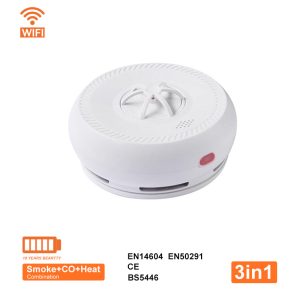
Mains-powered (hardwired) smoke and carbon monoxide detectors connect directly to a home’s 120V/240V AC electrical system, offering superior reliability by eliminating frequent battery changes and providing continuous protection. They are highly recommended for new builds, require professional installation, and usually feature battery backups to ensure operation during power outages.

Recommended smoke and carbon monoxide detector alarm suppliers:
Kidde: Offers combination smoke and carbon monoxide alarms that are hardwired with battery backups.
Aico: Known for providing high-quality, professional-grade mains-powered alarms.
First Alert: Provides smart, hardwired options for home protection.
ANKA: Specializes in AC-powered, interconnected, and Wi-Fi-enabled devices.
Safelincs: Offers a range of mains-powered CO detectors.
Key Features And Advantages Of Smoke&carbon Monoxide Detectors:
Reliability: These devices do not rely solely on batteries, meaning they won’t stop working due to a dead battery.
Interconnectivity: They are frequently interlinked, meaning if one alarm detects smoke or CO, all alarms in the house will sound simultaneously.
Battery Back-up: Most modern units include a sealed 10-year lithium battery or a standard 9V battery to ensure functionality during power failures.
Installation: They require connection to a dedicated circuit, often best installed by a qualified electrician, particularly for new builds or renovations.
Maintenance: While they don’t require frequent battery changes, they should still be tested regularly and replaced every 10 years.

Installation Precautions for Smoke and Carbon Monoxide Detectors:
Location: Install smoke alarms on the ceiling (preferred) or high on walls, as smoke rises. For CO detectors, avoid placing them directly next to fuel-burning appliances, in dead air spaces, or near drafty windows/doors.
Distance from Hazards: Keep smoke alarms at least 10 feet away from cooking appliances to avoid false alarms.
Avoid Humid Areas: Do not install smoke or CO alarms in bathrooms or areas with high humidity, which can cause false alarms.
Mounting Height: If wall-mounting, ensure smoke alarms are 4–12 inches below the ceiling.
Interconnection: For maximum safety, use interconnected alarms so that if one sounds, all others in the home sound.
Testing and Maintenance: Test alarms monthly and change batteries at least every six months, or as recommended by the manufacturer.
Replacement: Replace smoke detectors every 10 years and CO detectors within 5–7 years, depending on the manufacturer’s guidance.
Positioning: Ensure the alarm is not obstructed by furniture, curtains, or other objects.