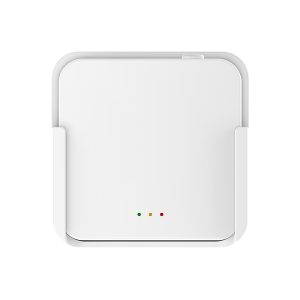
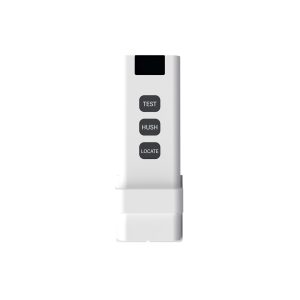
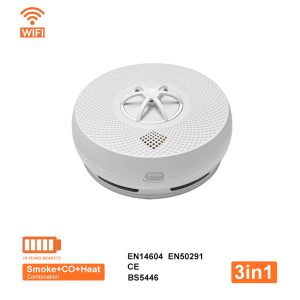
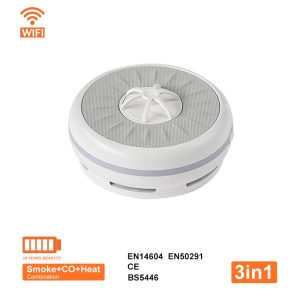
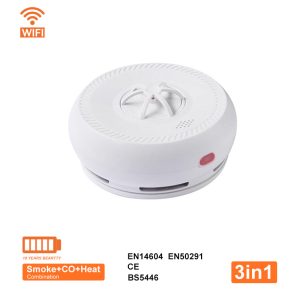
Vape detectors for schools are devices that detect vapor and smoke and sound an alarm to make schools safer. They are an important addition to school life as they can detect e-cigarette use in areas such as restrooms, locker rooms and dormitories, where constant monitoring by teachers is not possible.

How they work
- Sensors: The devices use multiple sensors that detect volatile organic compounds (VOCs), particulate matter (PM1, PM2.5, PM10), gases, and other pollutants in the air.
- Detection: When steam or smoke is detected, they trigger real-time alerts that are sent to the school management’s smartphone or tablet.
- Multifunctionality: Many models can also monitor other air quality indicators such as temperature and humidity and are often designed to function as smoke detectors.
Typical features for school use
- Discreet and tamper-proof installation: The devices are often designed to look like conventional smoke detectors but also trigger an alarm in the event of vandalism or tampering. triggers.
- Location-based detection: Some advanced systems can precisely identify the location where smoke or vapor was detected, allowing for a rapid response.
- Alerts: Notifications can be integrated into alarm systems or central monitoring platforms.
- Deterrent effect: The visible presence of the detectors can discourage students from using e-cigarettes at school.
Areas of use
- Restrooms and locker rooms: These are the most common locations, as students often vape discreetly there.
- Dorms and classrooms: Other areas where the devices can be used to create a healthier environment.