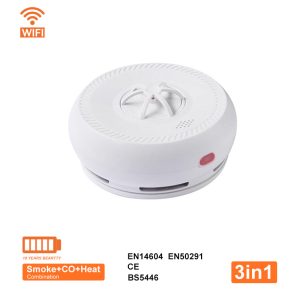
Smoke detectors typically use 9V (rectangular) batteries, AA alkaline batteries, or 3V lithium batteries (CR123A/CR17345). While 9V was once standard, many modern units use AA batteries for longer life. Some units feature sealed, 10-year lithium batteries that never need replacing.

Anka Security shares with you the common types of smoke detector batteries:
9V Alkaline Batteries: The most common traditional battery type, requiring replacement every 6 to 12 months.
AA Alkaline Batteries: Frequently used in newer product models, offering a longer lifespan than 9V batteries.
3V Lithium Batteries (CR123A): Used in high-performance models or in hardwired alarms equipped with a backup power supply; these have a lifespan of 3 to 5 years.
10-Year Long-Life Lithium Batteries: Non-replaceable, sealed batteries designed to last for the entire service life of the alarm unit itself.

Key Considerations for Smoke Detector Batteries:
Check the Device: Be sure to inspect the battery compartment on the back of the alarm or consult the manufacturer’s instructions to confirm the correct battery model.
Annual Replacement: Even if the battery appears to have a long lifespan, it is recommended to test the detector monthly and replace the battery at least once a year.
Beeping Alert: If a “beeping” sound is emitted, it indicates that the battery power is low and requires immediate replacement.

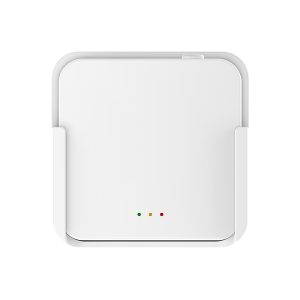
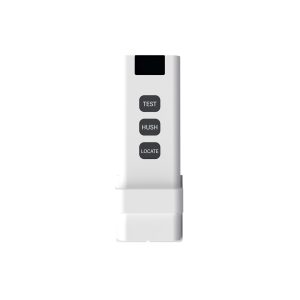
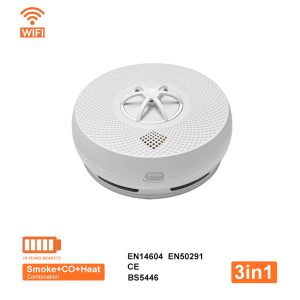
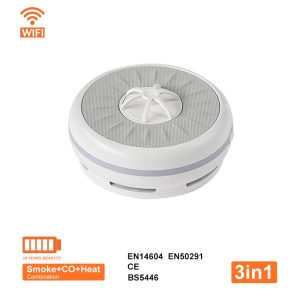
The Anka 10-Year Lithium Battery Smoke Alarm is a photoelectric sensing device specifically designed for home safety, featuring a maintenance-free service life of up to 10 years. This series typically comprises various models—including the AJ-760, AJ-761, AJ-762, and AJ-765—all of which share fundamentally identical core functions, differing primarily in their exterior design.