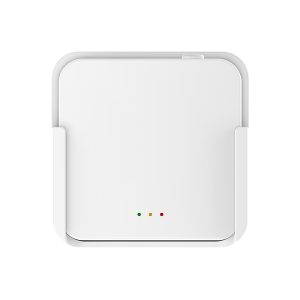
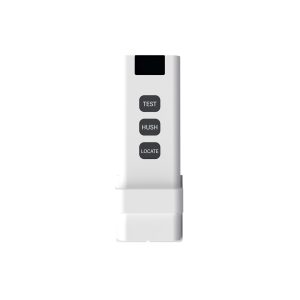
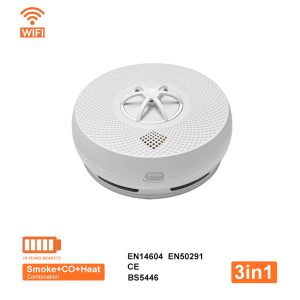
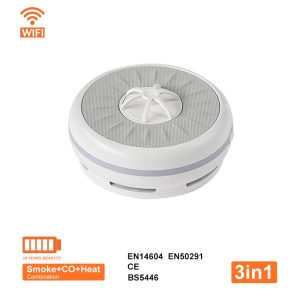
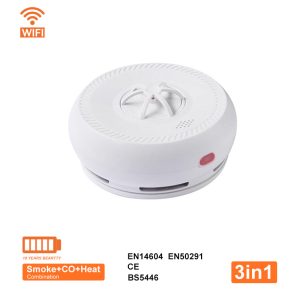
Kidde and First Alert produce smoke detectors with the best overall performance, highly praised by experts and consumers for their reliability and fast detection capabilities. Anka is a global supplier of smart smoke detectors that ship to local national certification standards. X-Sense is the best choice for an affordable wireless connected system, while Google Nest stands out as a leader in the smart home field.

Recommended smoke detector alarm suppliers:
Best All-Round Choice: Kidde Smoke and Carbon Monoxide Detector – Featuring app integration, dual sensors, and fast, reliable fire detection.
Best Global Suppliers: Anka Smart Smoke Alarm – Produces detectors that meet local national certification standards and can ship quickly to countries worldwide.
Best Smart Alarm: Google Nest Protect – The most mature smart alarm on the market; it detects open flames and smoldering fires spectrophotometrically and features voice alerts and colored path lighting.
Best Economical Choice: First Alert SMI100 – An extremely affordable dual-sensor battery-powered alarm that quickly detects open flames and smoldering fires.
Best Connected System: X-Sense Link+ Pro – Highly acclaimed for allowing up to 24 alarms to wirelessly connect, ensuring every room in your home receives an alert when one alarm is triggered.

Precautions when wholesaling smoke detectors from suppliers:
1. Regulatory Certifications and Compliance
Verify Qualifications: Ensure the manufacturer possesses certifications relevant to your target market (e.g., UL, CE, EN14604, or CCCF). Uncertified smoke detectors must not be legally sold or installed.
Avoid Counterfeit Products: Obtain copies of original test reports and verify them with an accredited testing laboratory.
Local Regulations: Ensure the detectors comply with specific fire safety regulations in your region regarding sensitivity, decibel output, and visual indicators.
2. Product Types and Technologies
Photoelectric vs. Ionizing: Understand the differences between the two. Photoelectric detectors are better at detecting smoldering fires, while ionizing alarms react faster to open flames. Many markets now require dual-sensor or multi-sensor alarms.
Smart and IoT Devices: If wholesaling wireless or smart smoke detectors (e.g., Zigbee, Wi-Fi), ensure they can be easily integrated into mainstream smart home platforms (e.g., Tuya Smart) and maintain a stable connection.
Power Supply: Determine whether your customers need wired detectors (which typically require backup batteries) or standalone models with long-life sealed lithium batteries (10 years).
3. Supply Chain and Logistics
Traceability: Ensure suppliers provide correct batch numbers and traceability. If a batch of products is defective and recalled, you need to be able to trace and contact your buyers.
Shipping Regulations: Because smoke detectors contain electronic components and sometimes lithium batteries, they are subject to strict shipping and customs regulations (e.g., UN38.3 for air freight).
Lead Time: Direct manufacturers typically require longer lead times (4-8 weeks) to process bulk or custom orders; this should be factored into your inventory planning.
4. Warranty and Defect Rate:
Warranty Period: Smoke alarms typically have a lifespan of 8 to 10 years. Look for suppliers that offer at least a 3-5 year manufacturer’s warranty.
Defect Compensation: Establish a clear policy for handling devices that arrive damaged at arrival (DOA) or fail prematurely. Always negotiate reasonable defect compensation (e.g., a 1-2% replacement rate for bulk orders).
5. Packaging and Documentation:
Multilingual Manuals: Ensure packaging and user manuals are printed in the local language of the countries where you plan to sell the products.
Clear Labeling: All units must be clearly labeled with the production date, model number, and certification seal.