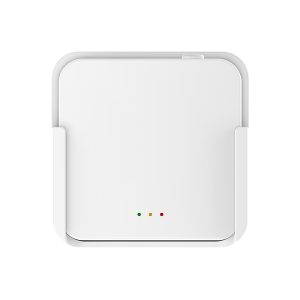
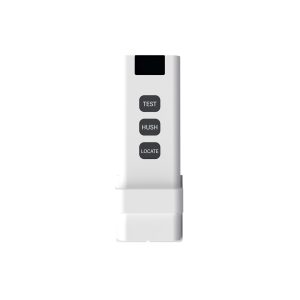
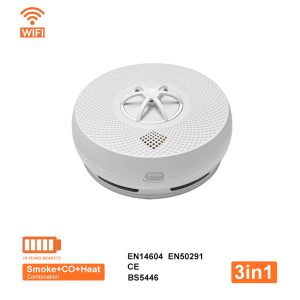
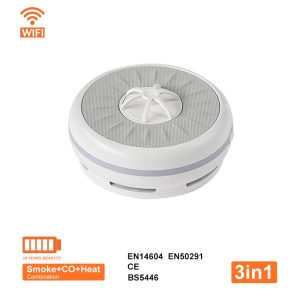
Natural gas detectors and alarms are typically small, white or gray plastic devices, usually similar in size to smoke detectors, designed for wall or ceiling mounting. They usually feature LED status lights (green for power, red/yellow for alarm/fault), a test/reset button, and sometimes a digital display showing the gas level.

Key physical characteristics:
Appearance: They are typically rectangular or round, made of plastic, and can be plugged into a power outlet or mounted on a wall/ceiling.
Indicators: They have LED lights (green for normal, red or yellow for alarm), and sometimes a digital screen displaying the gas concentration level.
Audible alarm: They produce a loud, high-pitched noise when methane, propane, or other combustible gases are detected.
Sensors: Internal sensors monitor the gas; many modern, high-quality models now have a 10-year battery life and do not require a power cord.
Installation: Because natural gas rises, these detectors are typically placed near the ceiling, while propane detectors are placed near the lower floor.
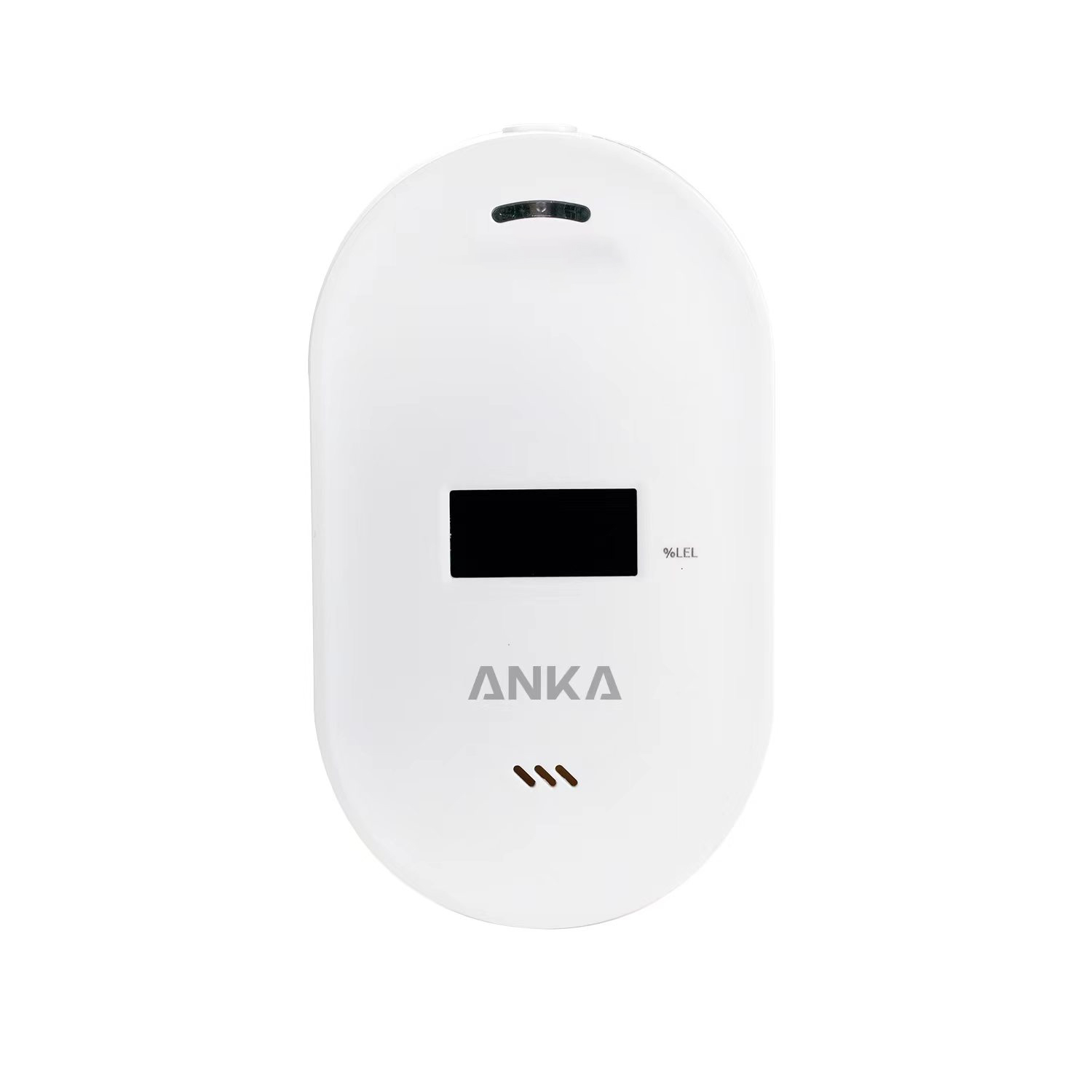
Anka natural gas detector alarm classification:
Aj 981 natural gas detector alarm:The ANKA AJ-981 series is a high-sensitivity household combustible gas detector designed to alert you to leaks of natural gas (methane) or Liquefied Petroleum Gas (LPG).
Aj 981 natural gas detector alarm:The ANKA AJ-987 is a professional-grade, battery-operated natural gas detector specifically designed to meet the UL1484 safety standard for the North American market. Unlike the AJ-981 which often relies on AC power, the AJ-987 is a long-life, standalone unit powered by built-in batteries.
Where should a natural gas detector alarm be installed?
Natural gas detectors should be installed high on a wall or ceiling—no more than 30 centimeters (12 inches) above the ceiling, as natural gas is lighter than air and rises. They should be installed in rooms with gas appliances, typically 90 to 3 meters (3 to 10 feet) from gas sources such as stoves, boilers, or water heaters to prevent false alarms.

Key Installation Guidelines:
Optimal Height: 10 to 30 centimeters (4 to 12 inches) from the ceiling.
Distance from Gas Appliances: 90 to 3 meters (3 to 10 feet) horizontally from the gas appliance.
Avoid False Alarms: At least 1.5 meters (5 feet) from cooking countertops/range hoods to avoid contamination from cooking steam.
Best Location: Rooms with gas appliances such as kitchens and utility rooms, or near boilers and boilers.
Installation Strategy: Multiple detectors are recommended for multi-story homes to cover areas where gas may diffuse.
Avoid: Installing directly at the top of the ceiling, or near doors, windows, and HVAC vents.
What should be considered when purchasing natural gas detectors and alarms in bulk?
Purchasing natural gas detectors and alarms in bulk requires careful evaluation of safety standards, maintenance requirements, sensor technology, and total cost of ownership to ensure reliability across multiple sites or units. Key considerations include ensuring compliance with standards such as UL 1484, choosing between battery or hardwired units, and accounting for the sensor lifespan, which typically ranges from 3 to 10 years.