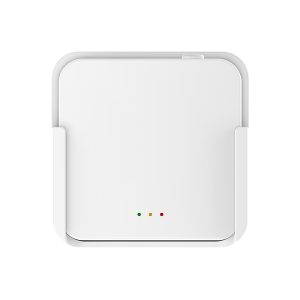
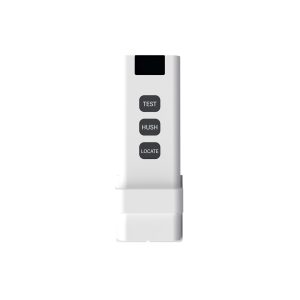
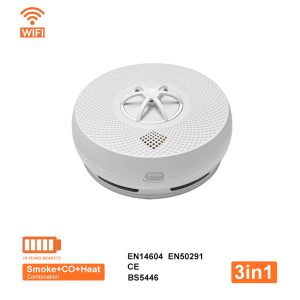
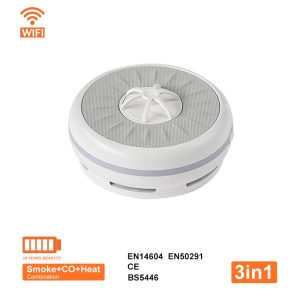
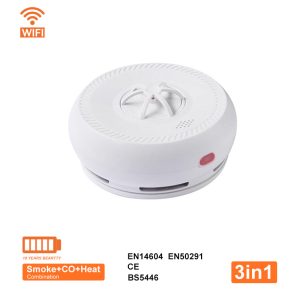
An interconnected smoke detector is a safety device consisting of a system of multiple communicating smoke detectors. When one detector detects smoke, high temperatures, or carbon monoxide, all detectors in the system will sound an alarm simultaneously. This ensures you receive timely warnings no matter where a fire is occurring.

How interconnected Smoke Alarms Work:
Whole House Alarm: In modern homes, fires can spread rapidly within minutes; therefore, early, unified alarms reduce the risk of people missing local alarms while asleep.
System Type: Alarm systems can be connected via wired or wireless radio frequency.
Dual Threat: Many modern connected models can handle dual threats, simultaneously issuing smoke and carbon monoxide (CO) alarms.

Interconnected smoke detectors can be categorized into two main communication methods:
Wired connection: This connects individual units via physical cables, typically connected to the building’s main electrical grid.
Wireless connection: This communicates via radio frequency (RF) or Wi-Fi signals. This option is easier to implement in existing homes, eliminating the need for wiring through walls.
Video demonstration of wireless interconnection between smoke detectors and carbon monoxide detectors
Hardwired vs. Wireless Systems:
Wired Connection: These alarm systems use physical cables (usually including a third “interconnect” wire in addition to the live/neutral wire) to connect the units. While an electrician typically needs to install them into the house’s electrical wiring, they ensure extremely reliable connections.
Wireless Connection: These systems use radio frequency (RF) communication, making them ideal for older or existing homes as they eliminate the need for wiring in walls and ceilings.