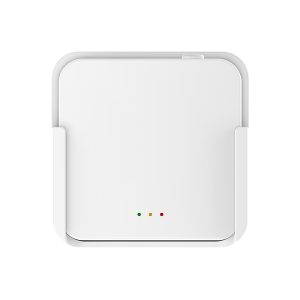
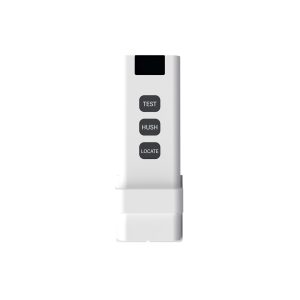
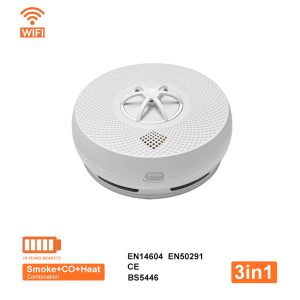
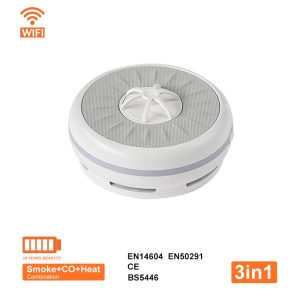
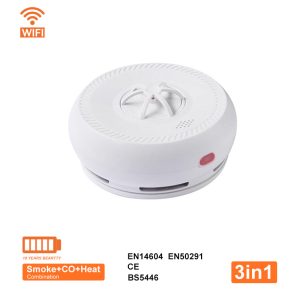
A 240V smoke alarm with wireless interconnect is a mains-powered (hardwired) smoke detector that communicates with other compatible alarms using radio frequency (RF) signals instead of physical wires, so if one detects smoke, all linked alarms sound, providing a comprehensive early warning across the home for faster evacuation, even connecting with battery-only wireless units.
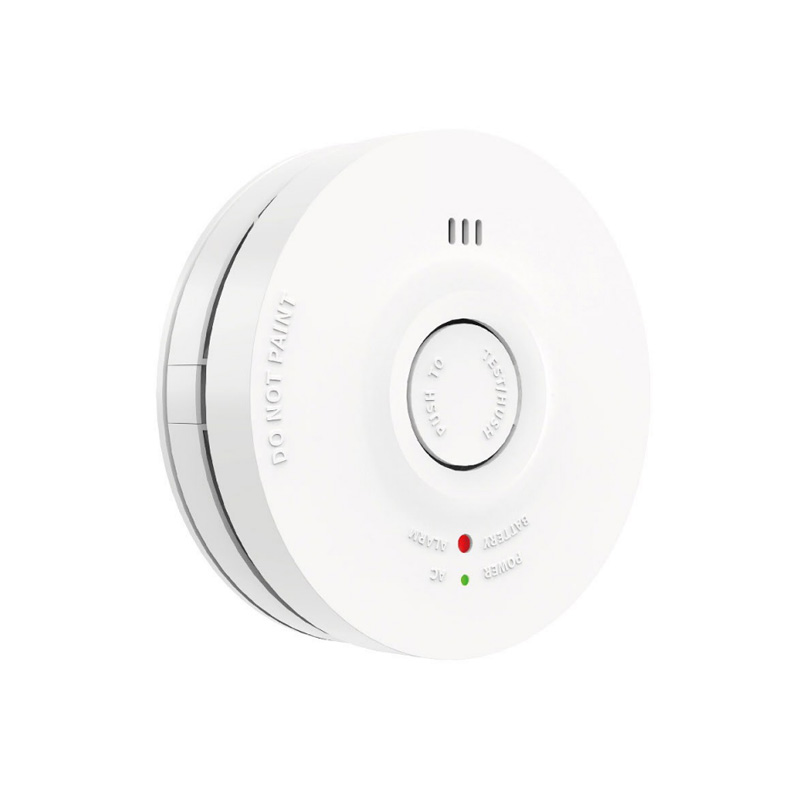
Key features explained of 240v smoke alarm with wireless interconnect:
240V Mains Powered: It’s wired directly into your home’s electrical system for constant power.
Battery Backup: Includes a backup battery (often 9V or 10-year lithium) to keep it working during power outages.
Wireless Interconnect: Uses RF signals (radio frequency) to link with other alarms (both 240V and battery models).
Interconnection: When one alarm detects smoke, it sends a signal, and all connected alarms sound simultaneously, giving occupants crucial time to escape from anywhere in the house.
Flexibility: Allows for easy expansion by adding more alarms to the network without needing extra wiring, making installation simpler.
Photoelectric: Often photoelectric, meaning it’s very responsive to slow, smoldering fires.
How does a 240V wireless smoke detector alarm work?
Power: It gets primary power from your 240V mains.
Detection: A sensor (usually photoelectric) detects smoke.
Signal: The alarm transmits a wireless RF signal to all other alarms on the network.
Alarm: All linked alarms sound, even those on different floors or in remote rooms.
Backup: If power fails, the internal battery takes over.
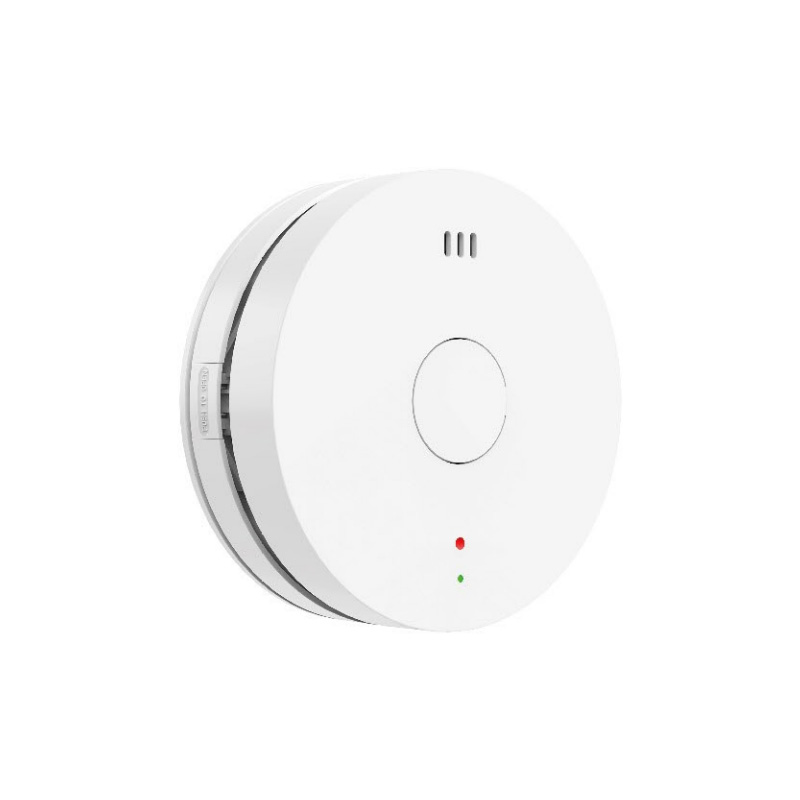
What should be noted when installing a 240V wireless smoke detector?
When installing a 240V wireless smoke detector, note critical placement rules (away from corners, vents, fans, kitchens), ensure correct electrical wiring (separate circuit, no dimmers), and follow pairing procedures for wireless interconnection, always shutting off power and testing thoroughly after installation. Safety first: use professionals for electrical work, and read the manufacturer’s instructions for specific placement and pairing details.
Electrical Safety & Wiring
Power Off: Always isolate the mains power to the circuit before starting any wiring.
Correct Wiring: Connect Live, Neutral, and Interconnect wires to the correct terminals, ensuring they are fully tightened.
Dedicated Circuit: Hardwired 240V alarms should be on their own circuit; avoid connecting to dimmer switches or incompatible power sources like inverter-based solar systems.
Check for Errors: A flashing red LED without sound often indicates missing neutral or incorrect wiring; check immediately.