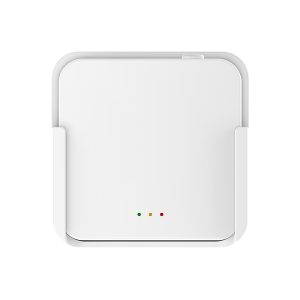
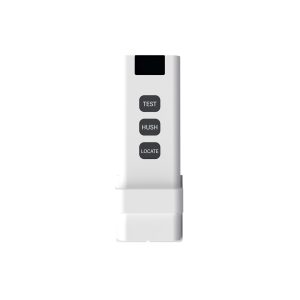
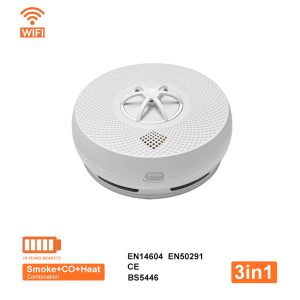
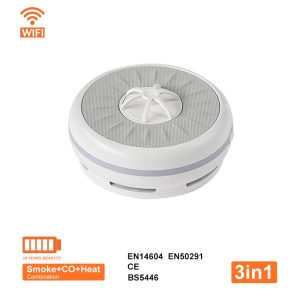
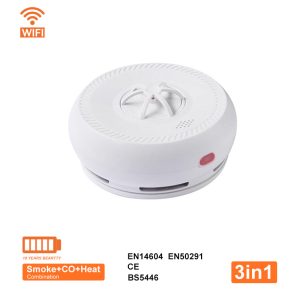
A carbon monoxide (CO) detector alarm is used to detect the presence of colorless, odorless, and tasteless poisonous CO gas in the home, providing early warning to prevent injury or death. It triggers an audible alert before dangerous, high-level, or long-term, low-level exposure causes symptoms in occupants, usually around fuel-burning appliances like heaters, boilers, and stoves.

Key Functions and Uses for carbon monoxide detector alarm:
Early Warning System: The primary purpose is to warn occupants of dangerous, invisible, and odorless CO gas, often referred to as the “silent killer”. Detects the buildup of carbon monoxide—a byproduct of incomplete combustion from fuel-burning appliances—and alerts occupants before it becomes life-threatening.
Protects Against Poisoning: Protects against CO poisoning, which is a major hazard in residential and commercial settings.Detects hazardous levels of CO, which can cause symptoms like headache, dizziness, weakness, nausea, vomiting, chest pain, and confusion.
Identifies Fuel-Burning Appliance Issues: Monitors for leaks from malfunctioning or misused fuel-burning equipment, such as furnaces, boilers, stoves, fireplaces, and portable generators.
Environmental Monitoring: Provides peace of mind by continuously monitoring air quality and sounding an alarm, distinct from smoke alarms, when dangerous levels (e.g., above 70 ppm) are detected. Measures the concentration of CO in the air (parts per million or PPM) and sounds an alarm when levels become unsafe.

Installation and Maintenance Tips:
Location: Install detectors near bedrooms and in the vicinity of fuel-burning appliances, as well as on every level of the home.
Near Sleeping Areas: Within 15 feet of rooms used for sleeping.
On Every Floor: The U.S. EPA recommends a detector on each floor of a residence.
Near Appliances: In the vicinity of fuel-burning appliances, such as furnaces or water heaters.
Distinction from Smoke Alarms: Note that standard smoke alarms do not detect CO, and a dedicated CO alarm is required.
Maintenance: Test the alarm monthly and replace it every 5 to 10 years, as recommended by the manufacturer.