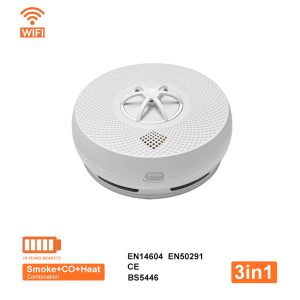
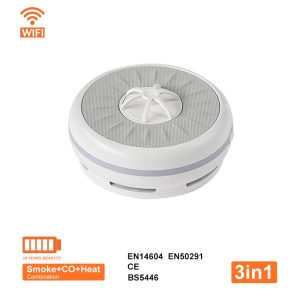
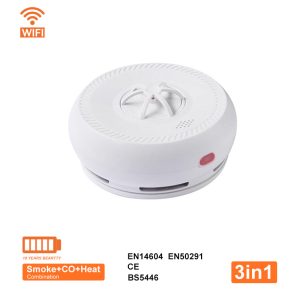
Anka Security believes neither type is universally better; they recommend using dual-sensor or combined alarms for optimal protection, as ionizing detectors are faster at detecting burning fires, while photoelectric detectors excel at detecting smoldering fires. For single-type detectors, photoelectric detectors are generally better suited for general residential areas because they are less susceptible to alarm interference from cooking smoke and are more effective at detecting the most common household fires, which are often slow-smoldering.

Ionizing Smoke Detector Analysis:
Best for:Open flames (fires with visible flames).
Best for:Commercial environments where flammability is higher.
Disadvantages:More prone to false alarms from dust, steam, and cooking smoke, which may lead people to disable them.
Mechanism:Detects invisible smoke particles within a burning flame.

Photoelectric Smoke Detector Analysis:
Best for:Smoke fires (such as cigarettes burning in furniture), which produce larger smoke particles and are the most common type of household fire.
Best for:Hallways outside bedrooms, living rooms, and kitchens.
Disadvantages:Potentially more expensive.
Mechanism:Uses a beam of light scattered by smoke particles to trigger the alarm.

Anka’s Recommended Detection Alarm Options:
Dual-Sensor Alarms:These alarms combine two technologies, providing the fastest response to both types of fires and are highly recommended by fire safety experts.
For the most common household fires:Photoelectric alarms are generally better suited for detecting slow smoldering fires in furniture, which is the most common cause of fire-related deaths.
Placement matters:Place photoelectric alarms near the kitchen and bathroom to reduce the annoyance of other alarms, but consider placing them outside rooms in adjacent hallways.