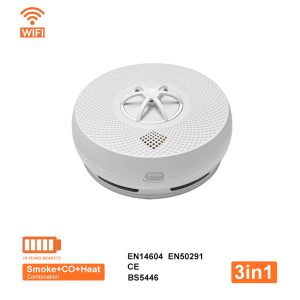
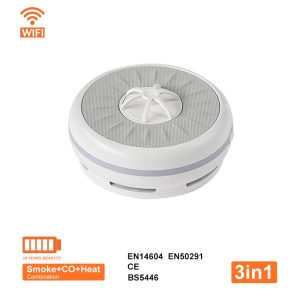
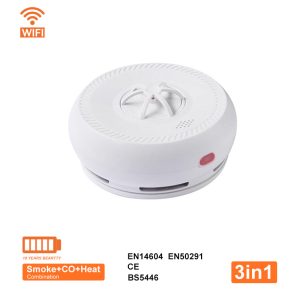
Inside a photoelectric smoke alarm, there is an optical sensing chamber and a beam of light. When smoke particles enter the sensing chamber, they scatter this light beam; this scattering is then detected by a photosensitive sensor, triggering the alarm.

Advantages and Applications of Photoelectric Smoke Alarms:
Greater Sensitivity to Smoldering Fires: Smoldering fires—such as those involving sofas, electrical wiring, or textiles—produce a large volume of visible smoke particles, even though the actual flames may be minimal. This represents one of the most common and dangerous types of residential fires, as they often begin silently while residents are fast asleep. Photoelectric technology can sound an alarm during the very early stages of such fires, providing precious minutes for escape.

Reduced False Alarms from Cooking: Compared to traditional ionization-type alarms, photoelectric alarms are less sensitive to steam and minor smoke generated during cooking (such as frying fumes). This significantly reduces annoying false alarms and enhances the overall reliability of the device.
Anka’s Recommendation: The National Fire Protection Association (NFPA) and most modern safety codes recommend prioritizing the installation of photoelectric smoke alarms in living areas—such as bedrooms, living rooms, and hallways. They represent the optimal choice for protecting you and your family from the deadly threat of smoldering fires.